
Research Article
Satisfaction with Reproductive Health Services and Associated Factors Among Clients of Michu Clinic at Jimma University Medical Center, South West Ethiopia, 2023
- Abebaw Aynewa
- Gurmesa Tura
- Gali Nega
- Hiwot Aynalem *
Faculty of Public Health, Department of Population and Family Health, Jimma University Institute of Health, Jimma University, Jimma, Ethiopia.
*Corresponding Author: Hiwot Aynalem, Faculty of Public Health, Department of Population and Family Health, Jimma University Institute of Health, Jimma University, Jimma, Ethiopia.
Citation: Aynewa A, Tura G, Nega G, Hiwot Aynalem H. (2025). Satisfaction with Reproductive Health Services and Associated Factors Among Clients of Michu Clinic at Jimma University Medical Center, South West Ethiopia, 2023, Journal of Women Health Care and Gynecology, BioRes Scientia Publishers. 5(6):1-9. DOI: 10.59657/2993-0871.brs.25.101
Copyright: © 2025 Hiwot Aynalem, this is an open-access article distributed under the terms of the Creative Commons Attribution License, which permits unrestricted use, distribution, and reproduction in any medium, provided the original author and source are credited.
Received: October 09, 2025 | Accepted: November 05, 2025 | Published: November 14, 2025
Abstract
Background: Client satisfaction has become a substantial indicator to measure the quality of care provided to clients in hospitals. Increasing satisfaction of services has long-term benefits for both the community and clients. Therefore, the aim of this study is to assess clients ‘satisfaction with sexual reproductive health services in Jimma university medical Center sexual reproductive health center (michu clinic).
Objective: To assess client satisfaction with sexual reproductive health services and associated factors in Jimma university medical center michu Clinic from July1-30, 2023.
Method: Facility based cross-sectional was conducted using quantitative data collection method from July1-30, 2023. Simple random sampling technique were employed to select study participant. Allocation of the sample into each service unit was done proportionally based on the average number of HMIS report for the last one year. A total of 290 clients were determined by single population proportion formula. Data were collected by using pre-tested interviewer guided semi-structured questionnaire at exit time by trained data collectors and entered by using epi data version 3.5.1 and exported to spss v.25 to analysis. Variables associated with p-value < 0.05 were reported with 95% CI and AOR as determinant factor for client satisfaction.
Results: About 290 clients were interviewed effectively with response rate of 100%. The overall mean age of respondents was 31(SD±5). The overall client satisfaction of this study was 79.4%. Regarding to factors associated with client satisfaction: clients whose privacy had been maintained were 2.8 times more likely to be satisfied than those, whose privacy had not been maintained, (AOR=2.85: CI: 1.69, 5.79). Clients who discus with their health care provider were 2.3 times more likely satisfied than those who did not discuss, (AOR=2.32: CI: 1.29, 4.35).
Conclusion: In this study, more than three-fourth (79.4%) of clients were satisfied with the overall provided services.
Recommendations: Based on these findings we recommended maintaining privacy for SRH service users was necessary for client to be more satisfied with provided services.
Keywords: client satisfaction; sexual and reproductive health; michu clinic
Introduction
Client satisfaction is the degree of discrepancy between expectations and experience of users to service and satisfaction has been proposed to occur when experiences are equal to, or better than, expectations. It is also best indicator of quality of care that represents the needs, preferences and subjective experience of clients from the client point of view [1].
Client satisfaction with SRH services is a crucial aspect of health care delivery. Understanding the background factors that influence client satisfaction is crucial for health care providers and managers to improve the quality of care provided. One significant factor is the accessibility of sexual reproductive health services, geographical proximity and affordability play vital roles in determining whether individuals can access these services easily [2]. Sexual reproductive health services should encompass a wide range of services, including contraception, family planning, prenatal care, prevention and treatment of sexually transmitted infections, and comprehensive abortion care and readily available, clients specific sexual and reproductive health needs effectively [3].
Health care provider’s attitude and competence also significantly impact client satisfaction. Providers who demonstrate empathy, respect, and non-judgmental behavior creates a positive environment [4]. Moreover, the presence of supportive environment significantly impacts client satisfaction. Health facilities should be equipped with appropriate infrastructure and resources, maintaining cleanliness, privacy, and safety. Staff members should be adequately trained and emphatic to address client’s needs and concerns. Additionally, involving community leaders, activists, and peer educators can contribute to creating a supportive environment that encourages individuals to seek and engage in sexual and reproductive health services [5].
Ensuring client satisfaction with SRH services is essential for promoting overall health and wellbeing. However, there are persistent challenges and areas of concern in this domain. The problem statement revolves around understanding and addressing the factors influencing client satisfaction in sexual reproductive health services [6]. One of the primary issues is access to services, limited availability, affordability, and geographical barriers can prevent individuals from seeking and receiving the necessary SRH care. This may lead to dissatisfaction and hinder the overall success of the services provided [7]. Another challenge is the quality of care. Clients seek services that are confidential, non-judgmental, and respectful of their autonomy. Miscommunication or lack of understanding between health care providers and clients can lead to dissatisfaction compromise the efficacy of the services [7].
Therefore, this research can enhance client center care, improve communication between providers and clients, and increase overall client satisfaction levels. Ultimately, by assessing client satisfaction with sexual reproductive health services, this study contributes to the ongoing efforts to improve the availability, accessibility, and quality of health care in this crucial domain, leading to improved outcomes and better overall reproductive health for individuals and communities.
Methods and Materials
Study Area and Period
The study was conducted in Jimma town, southwest Ethiopia, from June 1-30/2023.Jimma University Medical Center is one of the oldest public hospitals in the country with a bed capacity of 800.It is located in the city of Jimma, 352 km southwest of Addis Ababa. Currently, it is the only teaching and referral hospital providing services for approximately 16,000 inpatient, 220,000 outpatient attendants, 12,000 emergency cases and 4,500 deliveries in a year coming to the hospital from the catchment population of about 15 million people. It has 16 service departments, greater than 1000 health professionals and 698 administrative staffs [8]. The study was conducted in Jimma university medical center specifically michu clinic.
Study Design
Facility based cross sectional quantitative study design was utilized.
Source Population
All clients who are using sexual reproductive health services at Jimma university medical center specifically in michu clinic, Jimma, Oromiya, Ethiopia.
Study Population
The study population was including all clients who use sexual reproductive health services during data collection period.
Sample Size Determination
The sample size was calculated by using EPI Info version 7.2.5.0 by considering different assumptions. Population proportion of clients who are satisfied with provided SRH services is 79.9% [9], a 95% confidence interval, a 5% margin of error, and a 10% nonresponse rate 272.
Variables
Sexual Reproductive Health Services: is referring to services given in michu clinic that includes family planning services, comprehensive abortion care, gender-based violence services, cervical cancer screening and treatment services and Gynecological outpatient dx and treatment.
Client Satisfaction: is the extent to which client’s expectation for services is met and will be assessed by using the following dimensions; providers discussion on health concern of client, distance of health facility, latrine availability and cleanness, maintaining of privacy, waiting time, information given to clients, sufficient method availability, over all cleanness of facility, providers greeting and friendly way. To compute this variable; Standardized 5point Likert scales which ranging from very satisfied to very satisfied (1-5 points) was used for all items to find cut off point for client satisfaction, the scores for each domain were calculated by summing the answers to all items in each domain and decision was decided based on the mean score. The overall satisfaction of clients was measured based on the answer they gave for the questions related to satisfaction if their response is greater than the mean they were classified as satisfied and otherwise they were classified as unsatisfied.
Data Collection Tool, Personnel, and Procedure
Standardized questionnaire was adapted from different literature references were used to collect data. Validated standard questionnaire of previous studies was prepared in English. The question has two sections: (i) socio demographic characteristics of participants, (ii) levels of client satisfaction with provided sexual reproductive health services which has 49 questionnaires and was translated into local language (Afaan Oromo) and some, modifications was done based on the feedback from the pre-test. Simple random sampling technique were employed to select study participant. Data was entered into Epi info version 3.5.1 and analyzed with SPSS version 25.
Data Quality Management
The data was collected by six trained health care providers who were not working in Jimma university medical center and its completeness was checked thoroughly and data was observed constantly; it was also checked for its clarity and consistency every day by an assigned supervisor and principal investigators. To ensure quality of data, training was made by principal investigator. Data collection material was pretested using 5% of similar population but not included in the study. Collected data was manually checked for completeness, accuracy and clarity on a daily basis.
Data Analysis Procedures
Each questionnaire was checked for completeness and code was given by principal investigator during and after data collection. Data was being edited and cleaned for inconsistencies manually. Missing value and outliers were checked for accuracy, those which causes of outliers and missed values were determined and entered by using EPI-Data program version 3.5.1 and exported to SPSS Version 25 statistical software for analysis.
Clients’ satisfaction was assessed by using a Likert -scale to identify the level of satisfaction on sexual reproductive health service that respondents claimed. The options were 5 Likert scale (1-very dissatisfied 2-dissatisfied, 3-neutral, 4-satisfied and, 5-very satisfied) with eight components. Descriptive finding was presented using frequency tables and graphs. Binary logistic regression was used to assess the associations between dependent and independent variables. Variables with P-Value less than 0.25 were taken as candidates to enter multiple logistic regression model and variables with P-Value less than 0.05 were reported with 95% CI and AOR as determinant factor for client satisfaction.
Declarations
Ethical Consideration: First, ethical approval and clearance was obtained from Jimma University Institute of Health, Institutional Review Board (IRB) (Ref. No: JUIH/IRB/454/23) and offered to Jimma medical center chief clinical director office to get permission and conducted the study in the specified study area. The purpose and the importance of the study were explained and informed consent was secured first hand. Privacy was maintained by omitting the name of the respondents during data collection. Confidentiality was maintained at all levels of the study participant’s involvement. The study was on Voluntary bases and participants were informed that they can withdraw any time if the need arises, and all the information given by the respondents will be used for research purposes only.
Results
Socio-Demographic Characteristics
Clients of age 15-24 constitutes a large proportion, 112(38.7%) and the mean age of the respondents was 31(SD±5). Among the respondents two hundred three (97.3%) were females. One hundred fifty-eight (54.3%) of respondents were urban dwellers. One hundred seventy-four (59.8%) were married. The dominant religions were Muslim, 155(53.3%) followed by orthodox 94(32.3%). Sixty-eight (23.4%) of respondents were government employee followed by 66(22.7%) farmers. With regard to educational attainment, 123(42.3%) were grade one up to eight and more than two third 198(68%) of respondents earn more than 500 ETB. One hundred sixty-one (55.3%) of respondents was paid fee for sexual reproductive health services. Ninety-four (32.3%) of respondents came for gynecology opd services followed by 64(22.0%) comprehensive abortion care services. Almost three fourth of respondents 234(80.4%) were new visitors for the clinic. Among the respondents ninety-four (32.4%) were gynecological outpatient users followed by comprehensive abortion care users (22.1%) (Table 1).
Table 1: socio demographic characteristics of respondents with sexual reproductive health services in michu clinic, 2023.
| Variable | Category | Number | Percent |
| Age | 15-24 | 112 | 38.7 |
| 25-29 | 44 | 15.1 | |
| 30-35 | 41 | 14.1 | |
| 35+ | 93 | 32.1 | |
| Sex | Male | 7 | 2.4 |
| Female | 283 | 97.3 | |
| Residency | Urban | 158 | 54.3 |
| Rural | 132 | 45.4 | |
| Religion | Muslim | 155 | 53.3 |
| Orthodox | 94 | 32.3 | |
| Protestant | 35 | 12 | |
| Catholic | 6 | 2.1 | |
| Marital status | Married | 174 | 59.8 |
| Single | 100 | 34.4 | |
| Widowed | 7 | 2.4 | |
| Divorced | 9 | 3.1 | |
| Educational Status | No Formal Education | 51 | 17.5 |
| Grade1-8 | 123 | 42.3 | |
| Grade9-12 | 82 | 28.2 | |
| College & above | 34 | 11.7 | |
| Occupational Status | Farmer | 66 | 22.7 |
| Merchant | 61 | 21 | |
| Government Employee | 68 | 23.4 | |
| Student | 53 | 18.2 | |
| Other | 42 | 14.4 | |
| Monthly Income | Less Than 500 ETB | 92 | 31.6 |
| Greater Equals to 500ETB | 198 | 68 | |
| Payment Status | Paying | 161 | 55.3 |
| Free | 129 | 44.3 | |
| Reason for Visit | FP Services | 63 | 21.7 |
| CAC Services | 64 | 22.1 | |
| GBV Services | 10 | 3.4 | |
| Cx ca Services | 59 | 20.3 | |
| GYN OPD Services | 94 | 32.4 | |
| Frequency of Visit | New | 234 | 80.7 |
| Repeat | 56 | 19.3 |
Service-Related Factors
More than half of clients 194(66.7%) were guided by signboards for each service unit and majority of respondents 197(67.9%) get adequate information by health care providers about the service process. Around 196(67.6%) of respondents feel that the clinic is far for them. Two hundred fifty-one (86.3%) of respondents got their expected full services. More than three fourth of clients reported that they got complete physician services (85.9%) and midwifery care (90%). They also reported that they got 67.6% and 76.3% pharmacy and laboratory services respectively. Two hundred fifty-two respondents (86.6%) reported that service providers are available and proportional to clients. More than 90% of respondents reported that they got proper waiting area, latrine and drinking water in the clinic. Among the respondents 225(77.3%) were able to get supplies and medical equipment for their services. More than two third of respondents reported that the health care provider gave attention, made feel them free and communicated with their own language during their stay in the clinic. Privacy and investigation results were disclosed 90.4% & 94.5% respectively. Two hundred fifty-six (88%) of respondents reported that they go the main physician or clinician for consultation and 272(93.5%) were treated equally. Among the respondents, 248(85.2%) reported that they will recommend this clinic for their relatives and 265(91.1%) reported that they will return to this clinic if they need the same or other services in the future. In general, more than three fourth (86.2%) of respondents reported that they got their expected overall sexual reproductive health services in michu clinic (Table 2).
Table 2: Service-related factors of respondents with sexual reproductive health services in michu clinic, 2023.
| Variable | Category | Number | Percent |
| A complete Signboard | Yes | 194 | 66.7 |
| No | 96 | 33.3 | |
| Health Professionals’ Adequate Information | Yes | 196 | 67.4 |
| No | 94 | 32.6 | |
| Distance of The Clinic | Yes | 196 | 67.4 |
| No | 94 | 32.6 | |
| Expected Full Services | Yes | 251 | 86.3 |
| No | 39 | 13.7 | |
| Complete Physician Services | Yes | 250 | 85.9 |
| No | 40 | 14.1 | |
| Complete Midwifery Care | Yes | 262 | 90 |
| No | 28 | 10 | |
| Complete Pharmacy Services | Yes | 199 | 68.4 |
| No | 90 | 31.6 | |
| Complete Laboratory Services | Yes | 222 | 76.3 |
| No | 68 | 23.7 | |
| Service Availability | Yes | 252 | 86.6 |
| No | 38 | 13.4 | |
| Proper Waiting Area | Yes | 285 | 97.9 |
| No | 5 | 2.1 | |
| Latrine Availability | Yes | 282 | 96.9 |
| No | 8 | 3.1 | |
| Drinking Water Availability | Yes | 274 | 94.2 |
| No | 16 | 5.7 | |
| Supplies | Yes | 225 | 77.3 |
| No | 65 | 22.7 | |
| Building | Yes | 283 | 97.3 |
| No | 7 | 2.7 | |
| Providers Greeting | Yes | 271 | 93.1 |
| No | 19 | 6.9 | |
| Providers Attention | Yes | 257 | 88.3 |
| No | 33 | 11.7 | |
| Providers Communication | Yes | 253 | 86.9 |
| No | 37 | 13.1 | |
| Discussion& Explanation | Yes | 249 | 85.6 |
| No | 41 | 14.4 | |
| Privacy | Yes | 263 | 90.4 |
| No | 27 | 9.6 | |
| Discloser of Results | Yes | 275 | 94.5 |
| No | 15 | 5.5 | |
| Clean Outside Environment | Yes | 283 | 97.6 |
| No | 7 | 2.4 | |
| Clean Room | Yes | 283 | 97.3 |
| No | 7 | 2.7 | |
| Consultation of Main Doctor/Clinician | Yes | 256 | 88.3 |
| No | 34 | 11.7 | |
| Separate Place for Examination | Yes | 265 | 91.4 |
| No | 25 | 8.6 | |
| Examination Room | Yes | 256 | 88 |
| No | 34 | 12 | |
| Equality | Yes | 272 | 93.5 |
| No | 18 | 6.5 | |
| Recommendation | Yes | 248 | 85.2 |
| No | 42 | 14.8 | |
| Return in The Future | Yes | 265 | 91.1 |
| No | 24 | 8.9 |
Level of Client Satisfaction
Level of satisfaction was assessed by using eight components by using five Likert scale ranging from very dissatisfied-very satisfied. Out of the eight components 79.1% were satisfied on accessibility of information on the services. More than two third of respondents were satisfied on services accessibility and the physical facility of the clinic. Clients are satisfied with waiting time, service access, physical facility health care attendants, and provider’s client interaction but not satisfied with access of information and drug availability (Figure 1).
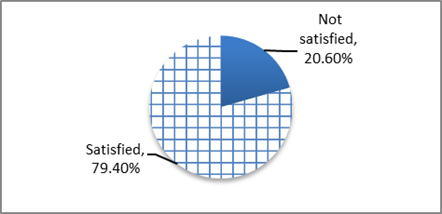
Figure 1: Showing overall client satisfaction with provided services.
Factors Associated with Client Satisfaction with Provided Sexual Reproductive Health Services
To identify statically significant factors logistic regression was done at bivariate and multivariate level. First, bivariate analysis was done to identify factors associated with client satisfaction. According to this finding, providers client interaction, providers discussion with client, information given to clients, privacy, clients recommendation of provided sexual reproductive health services to their relatives were candidate variables to enter into multiple logistic regression model (at significance level of 0.25). However, provider’s communication with clients and drug availability were not associated in bivariate analysis with client satisfaction.
Clients whose privacy had been maintained was 2.8 times more likely to be satisfied than those whose privacy hadn’t been maintained, (AOR=2.85:CI:1.69,5.79). Clients who have interaction with the health care provider were 2.5 times more likely satisfied than those who did not have interaction, (AOR=2.51:CI:1.36,3.25).
Clients who discus with their health care provider were 2.3 times more likely satisfied than those who did not discuss, (AOR=2.32: CI: 1.29, 4.35).
The odds of client satisfaction among information received clients about sexual reproductive health services in the clinic, were 2.5 times more likely to be satisfied than those who were not received information (AOR=2.51: CI: 1.57, 3.61), and the odds of clients who were not recommended sexual reproductive health service to others were 78% less likely to be satisfied than those who were recommended (Table 3).
Table 3: Factors associated with sexual reproductive health satisfaction in clients who received services in michu clinic, Jimma university medical center, southwest Ethiopia, 2023.
| Variables | Category | Satisfied | COR (95%CI) | AOR (95%CI) | P-value | |
| YES (%) | NO (%) | |||||
| Providers Client Interaction | YES | 139(48) | 22(7.5) | 2.04(1.33,3.04)a | 2.51(1.36,3.25)** | 0.003 |
| NO | 54(18.5) | 75(25) | 1 | 1 | ||
| Providers Discussion with Clients | YES | 137(47) | 60(20.5) | 2.02(1.29,3.16)a | 2.32(1.29,4.35)** | 0.002 |
| NO | 40(14) | 53(18.5) | 1 | 1 | ||
| Providers Communication with Clients | YES | 150(51.5) | 52(18.5) | 1.32(0.93,2.22)b | 0.16 | |
| NO | 43(14.5) | 44(15.5) | 1 | |||
| Drug Availability | YES | 141(48.5) | 52(18) | 0.50(0.24,1.05)b | 0.18 | |
| NO | 62(21) | 35(12.5) | 1 | |||
| Information Given to Clients | YES | 113(39) | 40(14) | 2.06(1.54,2.03)a | 2.35(1.57,3.61)** | 0.001 |
| NO | 78(27) | 59(20) | 1 | 1 | ||
| Privacy | YES | 138(47.5) | 54(18.5) | 2.03(1.42,2.06)a | 2.85(1.69,5.79)*** | 0.000 |
| NO | 54(18.5) | 44(15.5) | 1 | 1 | ||
| Clients’ Recommendation | YES | 77(26.5) | 83(28.5) | 0.12(0.07,0.20)a | 0.78(0.03,0.27)*** | 0.000 |
| NO | 115(40) | 15(5) | 1 | 1 | ||
Discussion
In our study more than three fourth (79.4%) of respondents were satisfied with the overall aspects of sexual reproductive health services. Which is relatively low compared to findings from Addis Ababa, Nigeria and Jordan (90.1%, 85% and 80%) of clients were satisfied with the provided sexual reproductive health services respectively [10]. This might be due to differences in sociocultural differences between respondents, facility level and study design. Another difference might be sample size and sampling method. Some of them used systematic sampling and mixed study design i.e. both quantitative and qualitative study design. However, this finding is relatively high compared to studies done in Amhara region, Jimma zone public facilities, Zambia and Iraq (61.9%, 65.2%, 77.49% and 40.5%) of clients were satisfied in these facilities with provided sexual reproductive health services respectively [11]. This difference might be due to differences in quality of sexual reproductive health services in these facilities. Another reason for this difference might be due to difference in facilities. This finding is similar to findings in Palestine (79.6%) [12]. This might be due to relatively similar sample size and the same study design i.e. quantitative study design.
More than three fourth (89.6%) of respondents who got their services within their expected waiting time were satisfied with sexual reproductive health services. This is relatively low compared to a study done in Jimma zone (90%) were satisfied within their expecting waiting time [13]. This difference might be due to health care availability or due to different triage system that health facilities use.
More than two third (84.5%) of respondents were satisfied with healthcare attendant’s attitude. This finding is higher than a study done in Addis Ababa (46.5%) [14]. This might be due to differences in attitude of health care providers towards sexual reproductive health services. Most of sexual health service providers in michu clinic are trained in value added clarification towards sexual reproductive health services specifically for comprehensive abortion care that might increase client satisfaction towards health care attendant’s attitude.
Eighty three percent of respondents were satisfied with provider-client interaction. This finding is much more than a study done in Addis Ababa, nearly one third (30%) of health care workers had negative attitudes toward providing RH services to unmarried adolescents [7]. This might be due to time of the research done. I.e. through time attitude of health care provider to interact with clients might be changed. Another difference might be socio cultural characteristics of respondents.
In this study 71.3% of clients who received information about sexual reproductive health services from health care providers were satisfied. It is slightly higher than study done on family planning service satisfaction in Sidama Zone, where 69.2%, well informed clients were satisfied [1] and Jimma Zone where sufficiently informed clients 84.7 %, were satisfied [15]. However, considerable difference from study in Nigeria where a large proportion, 97% of well-informed clients were satisfied with their service [16]. The difference might be due to study participants’ difference in educational level to search information day to day, information. This difference might be the study done in Nigeria on family planning but our study is sexual reproductive health services. Another difference might be policy difference in information dissemination between Ethiopia and Nigeria.
Regarding to sexual reproductive health service recommendation, in this study among clients who recommended sexual reproductive health services to their relatives, about 85.2% of them were satisfied. This is lower than related study done on family planning services in sidama zone, 93% were satisfied [17]. This inconsistency might be due to study facility variation. A study done in sidama includes both private and government facilities that indicates private facilities might due to fulfilment of health care providers and supplies and due to private health facilities business competition.
In multivariate analysis, clients whose privacy had been maintained was 2.8 times more likely to be satisfied than those whose privacy hadn’t been maintained, (AOR=2.85: CI: 1.69, 5.79). This result is lower than study done in Sidama [18]. This is might be due to differences in privacy settings, and availability of privacy maintaining in this facility. Another difference might be in our study setup since it is teaching hospital overflow of health care providers and patient overflow may affect privacy.
The odds of clients who were not recommended sexual reproductive health service to others were 78% less likely to be satisfied than those who were recommended. This finding is inconsistent done in Jimma Zone [12]. This might be due to facility difference and health care provider’s fulfillment.
Clients who discuss with their health care provider were 2.3 times more likely satisfied than those who did not discuss, (AOR=2.32: CI: 1.29, 4.35). Might be due to awareness was created by health care providers.
Conclusion and Recommendation
In our study more than three fourth (79.4%) of clients were satisfied with the overall provided services. Since this result is less than most of previous studies, we are obliged to recommend taking corrective action to assure high client satisfaction by responsible bodies at different levels. Thus;
- For Jimma University medical center chief clinical director should take responsibility to advance sexual reproductive health services in this clinic especially by filling the gaps in drug availability and side laboratory in the clinic to increase client satisfaction.
- For michu clinic sexual reproductive center staffs who are maintaining activities: should inform and discuss with the concerned body to minimize waiting time, drug unavailability and side laboratory. Wearing gown to minimize social desirability bias. Strength of this study is that satisfaction from the Strength: Interview was done at separate place from the service areas by non-staff members and not service was measured in all service provisions that makes light objectivity of the study.
- For the community at large: community and religious leaders should discuss sexual reproductive health services with the community in different social events to increase client satisfaction.
- For Jimma university institute of health department of population and family health: Since michu clinic is center of excellence in sexual reproductive health center we recommend to work closely with the clinic and support clinical care by conducting different scientific research and support this finding by conducting qualitative researches which may have an impact on outcome of this finding.
Abbreviations
SRH: Sexual and Reproductive
PMTCT: Prevention of Mother to Child Transmission
RH: Reproductive Health
Declarations
Data Sharing Statement
The dataset for the current study is available from the corresponding authors upon reasonable request.
Ethics Approval and Consent to Participate
All study methods were performed in accordance with the ethical principles of the Declaration of Helsinki [19]. Ethical clearance was obtained from the institutional review board of the institute of health, Jimma University. An official letter of permission was obtained from Jimma university hospital. The purpose of the study was explained to each study participant before written informed consent was obtained from each participant aged 18 years and older. For those under 18 years, verbal assent was obtained from their parent after describing the purpose and benefits of the study. The interviews were performed in private and secure places, usually in a room or other space without any other person present. Confidentiality of the responses.
Acknowledgments
We express our genuine thanks to all individuals who contributed to the study respondents, the data collectors, and Jimma University.
Author Contributions
AA, GT began the concept; AA, HA, GT and GN developed the proposal; AA, HA, GT and GA participated in data collection, transcription, and translation. AA and HA were involved in data coding, analysis, and writing the draft manuscript. AA, HA, GT, and GN reviewed the last version manuscript has analyzed the data. All authors read, agreed, and approved the last version of the manuscript.
Funding
The research work was funded by Jimma University. The funders had no role in the study design, data collection, analysis, decision to publish, or preparation of the manuscript.
Disclosure
The authors declare no competing interests in this work.
References
- Baruda, F., Dibaba, Y., Tamiru, D., Jisha, H. (2018). Satisfaction with family planning services in southern Ethiopia. African Journal of Midwifery and Women's Health, 12(1):44-49.
Publisher | Google Scholor - Habte, A., Dessu, S. (2023). The uptake of key elements of sexual and reproductive health services and its predictors among rural adolescents in Southern Ethiopia, 2020: application of a Poisson regression analysis. Reproductive Health, 20(1):15.
Publisher | Google Scholor - Tayelgn, A., Zegeye, D. T., Kebede, Y. (2011). Mothers' satisfaction with referral hospital delivery service in Amhara Region, Ethiopia. BMC Pregnancy and Childbirth, 11(1):78.
Publisher | Google Scholor - Woldeyohanes, T. R., Woldehaimanot, T. E., Kerie, M. W., Mengistie, M. A., Yesuf, E. A. (2015). Perceived patient satisfaction with in-patient services at Jimma University Specialized Hospital, Southwest Ethiopia. BMC Research Notes, 8(1):285.
Publisher | Google Scholor - Sharew, Y., Amano, A., Zeleke, H., Mekonnen, M. (2017). Satisfaction with youth friendly reproductive health services among youth in dessie youth friendly clinics, North East Ethiopia. Journal of Nursing & Care, 6(3).
Publisher | Google Scholor - Mbalinda, S. N., Kiwanuka, N., Eriksson, E. L., Kaye, D. K. (2018). Quality of care of sexual reproductive health services in antiretroviral therapy clinics attended by perinatally HIV-infected adolescents in Uganda. J Infect Dis Preve Med, 6:180.
Publisher | Google Scholor - Belay, H. G., Arage, G., Degu, A., Getnet, B., Necho, W., et al. (2021). Youth-friendly sexual and reproductive health services utilization and its determinants in Ethiopia: A systematic review and meta-analysis. Heliyon, 7(12).
Publisher | Google Scholor - Habte, A., Dessu, S. (2023). The uptake of key elements of sexual and reproductive health services and its predictors among rural adolescents in Southern Ethiopia, 2020: application of a Poisson regression analysis. Reproductive Health, 20(1):15.
Publisher | Google Scholor - Abu-El-Noor, N. I., Bottcher, B., Abu-El-Noor, M. K. (2020). Satisfaction with Quality of Sexual and Reproductive Health Services Provided by Governmental Health Care System in the Gaza Strip, Palestine. Asian J Pharmacy Nurs Med Sci, 8:8-17.
Publisher | Google Scholor - Desalegn, K., Habitu, Y. A., Tiruneh, W. K. (2020). Client satisfaction and associated factors among clients admitted to obstetrics wards of public hospitals in Central Gondar zone, Northwest Ethiopia, 2020.
Publisher | Google Scholor - Asres, A. W., Hunegnaw, W. A., Ferede, A. G., Denekew, H. T. (2020). Assessment of patient satisfaction and associated factors in an outpatient department at Dangila primary hospital, Awi zone, Northwest Ethiopia, 2018. Global Security: Health, Science and Policy, 5(1):57-64.
Publisher | Google Scholor - Tafese, F., Woldie, M., Megerssa, B. (2013). Quality of family planning services in primary health centers of Jimma Zone, Southwest Ethiopia. Ethiopian Journal of Health Sciences, 23(3):245-254.
Publisher | Google Scholor - AyanoWakjira, B. (2017). Assessment of client satisfaction on family planning services utilization in Wonji Hospital, Ethiopia, 2016. J Clin Diagn Res, 5(137):2376-0311.
Publisher | Google Scholor - Tilahun, M., Mengistie, B., Egata, G., Reda, A. A. (2012). Health workers' attitudes toward sexual and reproductive health services for unmarried adolescents in Ethiopia. Reproductive Health, 9(1):19.
Publisher | Google Scholor - Assefa, F., Mosse, A. (2011). Assessment of clients’ satisfaction with health service deliveries at Jimma University specialized hospital. Ethiopian Journal of Health Sciences, 21(2), 101-110.
Publisher | Google Scholor - Srivastava, A., Avan, B. I., Rajbangshi, P., Bhattacharyya, S. (2015). Determinants of women’s satisfaction with maternal health care: a review of literature from developing countries. BMC Pregnancy and Childbirth, 15(1):97.
Publisher | Google Scholor - Assefa, A. A., Selassie, S. G., Mesele, A., Kebede, H. B., Fikrie, A., et al. (2023). Unmet need for family planning and associated factors among currently married women in Hawella Tulla subcity, Hawassa, southern Ethiopia: community-based study. Contraception and Reproductive Medicine, 8(1):14.
Publisher | Google Scholor - Siyoum, M., Astatkie, A., Tenaw, Z., Abeje, A., Melese, T. (2020). Respectful family planning service provision in Sidama zone, Southern Ethiopia. Plos One, 15(9):e0238653.
Publisher | Google Scholor - Cantín, M. (2014). World Medical Association Declaration of Helsinki: ethical principles for medical research involving human subjects. Reviewing the latest version. International Journal of Medical and Surgical Sciences, 1(4):339-346.
Publisher | Google Scholor