
Review Article
Prevalence of Anemia Among Adolescent Tribal Girls: A Systematic Review and Meta Analysis
- Litna George *
College of Nursing, Rajendra Institute of Medical Sciences, Ranchi, India.
*Corresponding Author: Litna George, College of Nursing, Rajendra Institute of Medical Sciences, Ranchi, India.
Citation: George L. (2025). Prevalence of Anemia Among Adolescent Tribal Girls: A Systematic Review and Meta Analysis, International Clinical and Medical Case Reports, BioRes Scientia Publishers. 4(1):1-8. DOI: 10.59657/2837-5998.brs.25.051
Copyright: © 2025 Litna George, this is an open-access article distributed under the terms of the Creative Commons Attribution License, which permits unrestricted use, distribution, and reproduction in any medium, provided the original author and source are credited.
Received: April 11, 2025 | Accepted: April 28, 2025 | Published: May 02, 2025
Abstract
Background: The incidence of anaemia among adolescents who are Indigenous girls is significant; however, research in this domain is scarce. This systematic review and meta-analysis will provide insight into the current state of anaemia in adolescent Indigenous girls.
Objective: The objective is to determine the prevalence of anaemia among adolescent Indigenous girls.
Methods: We identified data sources for the included studies using a predetermined medical subject heading (MeSH), including PubMed, Google Scholar, Cochrane, and clinical key. We included cross-sectional studies conducted among adolescent Indigenous girls aged between 10 and 19 years and published in English between 2014 and 2024.Two independent reviewers extracted the data using Rayyan software. We adhered to the Preferred Reporting Items for Systematic Reviews and Meta-analyses (PRISMA) and Moose standards in the compilation of the study. We pooled the data using a random effect model. Prevalence of malnutrition among adolescent Indigenous girls across different countries were estimated by using meta-analysis.
Results: Ultimately, we incorporated 9 studies, comprising 1,299 participants, from the 395 studies identified. The findings indicate a significant frequency of anaemia among adolescent Indigenous girls, with an odds ratio of 0.82 [CI .74, 0.90].
Conclusions: In this systematic review and meta-analysis, we found a high prevalence of anaemia among adolescent Indigenous girls. The result underscores the importance of incorporating various anaemia prevention strategies to combat the prevalence of anaemia among this population.
Keywords: anemia; adolescent tribal girls; public health
Introduction
In 2019, a total of 1.9 billion people is suffering from anemia globally; among that, 954.3 million people suffer from mild anaemia, 747.8 million suffer from moderate anaemia, and 59.5 million people are suffering from severe anaemia 1. South Asia, western Sub-Saharan Africa, and sub-Saharan Africa have the highest prevalence of anaemia. Out of all the countries, Zambia, Mali, and Burkina Faso had the highest age-standardised point prevalence rates of anaemia in 2019. In contrast, France, Iceland, and Belgium had the lowest rates [1]. Anaemia is a serious global public health problem that particularly affects young children, menstruating adolescent girls and women, and pregnant and postpartum women. WHO estimates that 40% of children aged 6-59 months, 37% of pregnant women, and 30% of women aged 15-49 years worldwide are anaemic. Anaemia affects one in four individuals worldwide aged 10 to 24 years [2].
Worldwide, there are an estimated 476 million indigenous people; they are 6 percent of the world total population [3]. Anaemia is widespread among adolescent indigenous girls attributable to their socio-economic conditions, geographical seclusion, and distinct cultural traditions. Indigenous groups, sometimes located in isolated or rural regions, encounter numerous obstacles that impede access to healthcare, nutrition, and education, rendering adolescent indigenous girls more vulnerable to illnesses such as anaemia. In addition, numerous indigenous tribes adhere to traditional diets deficient in iron-rich foods, exacerbated by limited access to healthcare services, iron supplements, and sanitation facilities [4]. The global incidence of anaemia among adolescent indigenous girls differs by area, with greater frequency in low- and middle-income nations, particularly in South Asia, Africa, and Latin America. In India, indigenous tribes, especially in rural regions such as Jharkhand, demonstrate significantly elevated rates of anaemia. Other regions globally, where indigenous communities encounter systematic disadvantages, exhibit the same trends [5].
While previous meta-analyses have reported the pooled prevalence of anaemia among adolescent girls, to our knowledge, no meta-analyses have examined the prevalence of anaemia among adolescent indigenous girls. Anaemia in adolescents has significant health consequences, including hindered cognitive development, diminished physical labour capability, and heightened vulnerability to infections [6]. Furthermore, adolescent girls with anaemia face a higher risk of problems during pregnancy and childbirth in the future, perpetuating a cycle of poor health throughout generations [7]. Estimating the prevalence of anaemia among adolescent indigenous girls provides valuable data for the implementation of additional strategies to address anaemia among this population. The primary goal of our study was to determine the prevalence of anaemia among adolescent indigenous girls.
Methods
This study's reporting followed PRISMA (Preferred Reporting Items for Systematic Reviews and Meta-Analyses) [8] and the Meta-analysis of Observational Studies in Epidemiology (MOOSE) reporting guidelines.
Data Sources and Search Strategy
Two independent researchers conducted a systematic search in PubMed, Google Scholar, Cochrane, and Clinical Key from August 1, 2024, to September 30, 2024. We restricted our search for articles published between 2014 and 2024. This meta-analysis included cross-sectional studies with the population of indigenous tribal girls aged 10-19 years. A detailed search strategy is given in Table 1.
Table 1: Detailed search strategy.
| SL No | Data Source | Date of Search | Search Strategy |
| 1 | PubMed | 16/09/2024 | (Prevalence or cross-sectional or incidence or epidemiological or epidemiology) and (anaemia or iron deficiency anaemia or nutritional anaemia) and (adolescent or youth or children or child or girls). |
| Filters applied: Free full text, Multicentre Study, Observational Study, in the last 10 years, English, Female, Adolescent: 13-18 years; Child: 6-12 years. | |||
| 2 | Google Scholar | 21/08/2024 to 30/08/2024 | Prevalence of anemia among adolescent tribal girls. |
| 3 | Clinical Key | 13/08/2024 | Prevalence anemia among adolescent girls. |
| 4 | Cochrane data bases | 14/08/2024 | Anemia among adolescent girls. |
The inclusion criteria used in our study were cross-sectional studies that estimated the prevalence of anaemia among indigenous adolescent girls.
Outcomes
The outcome of our study was to estimate the prevalence of anaemia among indigenous tribal girls aged 10-19 years.
Study Selection
Cross-sectional studies done between 2014 and 2024 determined the prevalence of anaemia among indigenous tribal girls aged 10 to 19 years included in this study. We incorporated studies that were accessible and complete in text form. Two independent authors (L.G., A.K.) evaluated all abstracts and entire texts utilising Rayyan software, while two more reviewers (N.N., M.K.) addressed any discrepancies.
Data Extraction and Risk of Bias Assessment
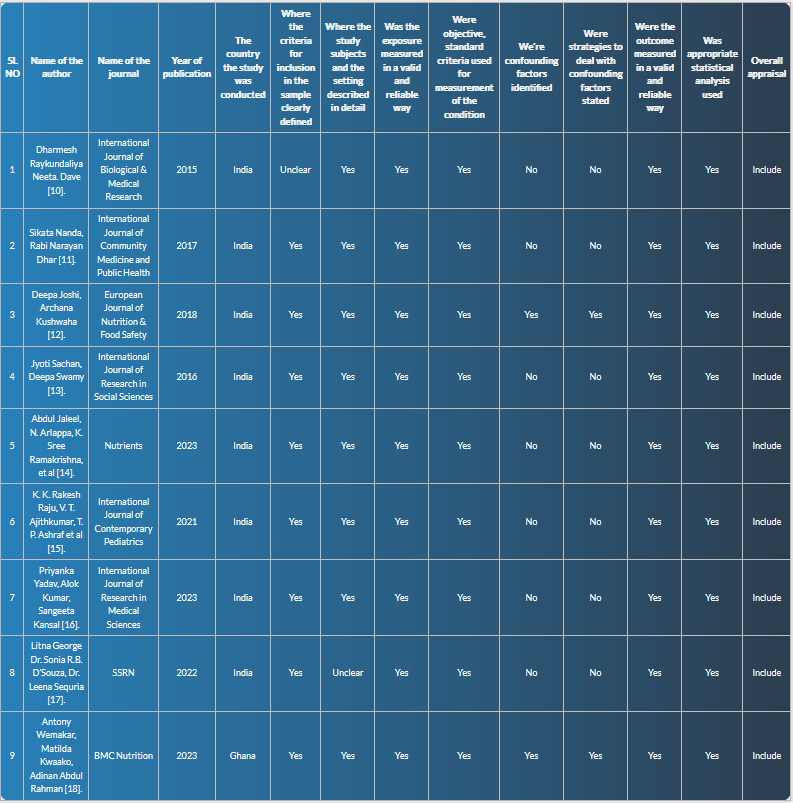
Two independent reviewers (L.G., A.K.) extracted the data from the eligible studies. The studies that were not available in full text were requested to get the full text. Two reviewers assessed and rated the risk of bias of the included studies using Johnna Brigg's critical appraisal tool for cross-sessional studies (JBI) [9]. Two reviewers critically appraised each study using the following subheadings: Where are the criteria for inclusion in the sample clearly defined? Where are the study subjects and settings described in detail? Was the exposure measured in a valid and reliable way? Were objective standard criteria used for measuring the condition? We’re confounding factors identified? Were strategies to deal with confounding factors stated? Were the outcomes measured in a valid and reliable way? Was appropriate statistical analysis used? [9]. Information was not available from the studies; authors were contacted to request the information. Discrepancies in data extraction and quality assessment were reconciled through consensus with a third reviewer. Based on the overall appraisal, all the studies were decided to include.
Statistical Analysis
Data analysis was conducted using Jamovi version 2.3.28. We analysed the data from October 1, 2024, to October 10, 2024. A random effects model employing the Tau² Estimator was utilised to ascertain the overall proportion of anaemic adolescent indigenous girls. I2 statistics were used to evaluate the heterogeneity of the included studies. A funnel plot was generated to assess the publication bias of the included studies. Subgroup analyses were intended for various age groups and tribes to determine the prevalence of anaemia; however, they were not executed due to the limited number of studies and significant heterogeneity. All significance testing was bilateral, and results were taken into account.
Results
We found a total of 395 studies through our search (Figure 1) and ultimately selected 9 studies that met the inclusion criteria for our meta-analysis.
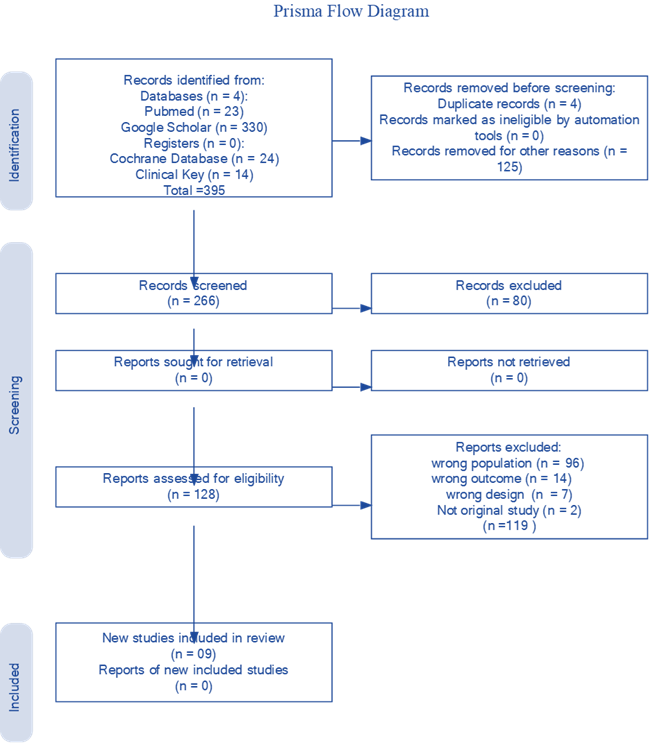
Figure 1: Prisma flow diagram.
The total population included in the study was 2,464 adolescents; among those, 1,299 were indigenous adolescent girls. Nine included studies, all conducted in India, with the exception of one in Ghana. The sample size varies widely in each study, ranging from 26 to 381. The result shows that there is a high prevalence of anaemia among indigenous adolescent girls also found high heterogeneity among studies. (OR, 0.82 [95%CI, 0.74 to 0.90]; I2 = 96.44%). Table 2 presents the summary results of the meta-analysis and figure 2 shows the forest plot.
Table 2: Summary results of the meta-analysis.
| SL No | Name of the author | Name of the journal | Year of publication | Study setting | Name of the tribe | Age of the samples | Total number the study sample | Total number of tribal samples included in the study | Total number Of tribal samples found anemic | Prevalence of anemia among Tribal samples |
| 1 | Dharmesh Raykundaliya Neeta. Dave [10]. | International Journal of Biological & Medical Research | 2015 | India | Not Mentioned | 13-19 | 500 | 47 | 35 | 74.47 |
| 2 | Sikata Nanda, Rabi Narayan Dhar [11]. | International Journal of Community Medicine and Public Health | 2017 | Rayagada, Odisha, India | Dongria Kondh | 10-19 | 93 | 93 | 93 | 100 |
| 3 | Deepa Joshi, Archana Kushwaha [12]. | European Journal of Nutrition & Food Safety | 2018 | U.S. Nagar, Uttarakhand, India | Not Mentioned | 10-19 | 880 | 114 | 104 | 91.9 |
| 4 | Jyoti Sachan, Deepa Swamy [13]. | International Journal of Research in Social Sciences | 2016 | Bhilwara, Rajasthan, India | Not Mentioned | 10-19 | 420 | 68 | 48 | 70.59 |
| 5 | Abdul Jaleel, N. Arlappa, K. Sree Ramakrishna, et al [4]. | Nutrients | 2023 | Attappadi, Kerala, India | Irula Kurumba Muduga Others | 10-19 | 150 | 150 | 145 | 96.6 |
| 6 | K. K. Rakesh Raju, V. T. Ajithkumar, T. P. Ashraf et al [15]. | International Journal of Contemporary Pediatrics | 2021 | Attappadi, Kerala, India | Not Mentioned | 6m-18 years | Not mentioned | 52 | 37.5 | 72.2 |
| 7 | Priyanka Yadav, Alok Kumar, Sangeeta Kansal [16]. | International Journal of Research in Medical Sciences | 2023 | Varanasi, Uttar Pradesh, India | Not Mentioned | 10-19 | 369 | 26 | 18 | 69.2 |
| 8 | Litna George Dr. Sonia R.B. D’Souza, Dr. Leena Sequria [17]. | SSRN | 2022 | Namkum, Jharkhand, India | Not Mentioned | 13-17 | 381 | 381 | 302 | 79.26 |
| 9 | Antony Wemakar, Matilda Kwaako, Adinan Abdul Rahman [18]. | BMC Nutrition | 2023 | Kumbungu, Ghana | Dagomba | 370 | 368 | 275 | 74.6 |
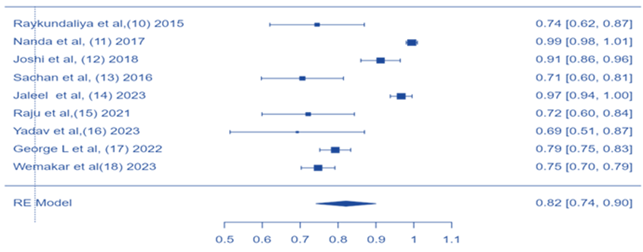
Figure 2: Forest plot shows the prevalence of anemia among adolescent tribal girls.
Publication Bias and Risk of Bias Assessment
An evaluation of publication bias regarding anaemia in indigenous adolescent girls by performing Egger’s test indicates a significant publication bias across the studies (p=0.003) (Figure 3).
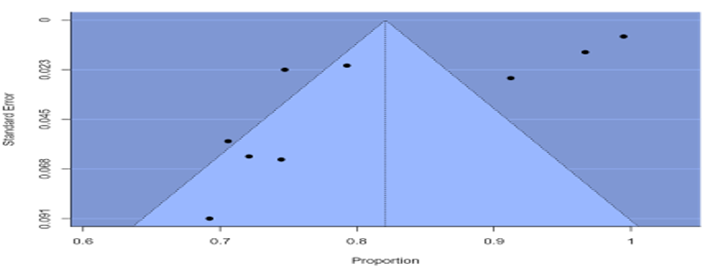
Figure 3: Funnel plot shows the publication bias of the included study.
We evaluated the risk of bias for all included studies, indicating that they are of moderate to high quality. Critical appraisal of the included studies by using Johnna Brigg's critical appraisal tool is given in Table 3.
Table 3: Critical appraisal of the included study using the JBI critical appraisal tool for cross-sectional studies.
Discussion
This systematic review and meta-analysis, encompassing nine studies with a sample size of 1,299 indigenous adolescent females, indicates a significant prevalence of anaemia OR, 0.82 [95%CI, 0.74 to 0.90]. This marks the first instance of systematic reviews and meta-analyses aimed at estimating the prevalence of anaemia among indigenous adolescent females. The result of this meta-analysis supports the other studies which showing a high prevalence of anaemia among indigenous adolescent girls [10-18].
According to the World Health Organization, 50 percent of the total anemia burden globally is due to iron deficiency anemia. In 2004, 273,000 fatalities worldwide occurred due to iron deficiency anemia; among those, 45% occurred in Southeast Asia, 31% in Africa, 9% in the Eastern Mediterranean, 7% in the Americas, 4% in the Western Pacific, and 3% in Europe, with 97% of the total deaths occurring in low- and middle-income nations [1].
Anemia resulted in the loss of 19.7 million disability-adjusted life years, representing 1.3% of the global total. Southeast Asia, Africa, and the Western Pacific accounted for forty percent of the lost disability-adjusted life years, while low- and middle-income nations lost ninety-seven percent. Ten developing nations assessed the median yearly economic loss due to IDA at $16.78 per capita (in 1994 US dollars), which is equivalent to 4% of their gross domestic product [19].
The Global Burden of Disease, Injuries, and Risk Factors Study (GBD 2021) reported that one in every four individuals in the world is suffering from anemia. It can differ from geography, age, and sex. Hemoglobinopathies, haemolytic anemia, iron deficiency anemia, and other tropical diseases were considered the most common causes of anaemia, with iron deficiency anaemia contributing 66% of the total anaemia burden [1].
Despite extensive research and various programs, anaemia continues to negatively impact various aspects of life such as overall quality of life, academic performance, productivity, morbidity, and mortality. Pregnancy-related anaemia can negatively impact maternal and child health, leading to increased maternal mortality, preterm births, and low birth weight babies, among other issues. Anaemia can also cause financial burden among families, communities, and countries.
The World Health Organization and the United Nations International Children's Emergency Fund (UNICEF) recommend multifaceted strategies to overcome anemia, including food fortification with nutrients, nutrition supplementation, educational interventions, and the prevention and control of parasite and protozoan infestations [19]. The World Health Organization also recommends weekly iron and folic acid supplementation (WIFAS) for women aged 15-49 and women of reproductive age in regions where anemia is prevalent, impacting over 20% of females [20].
Notwithstanding the execution of diverse policies and initiatives to address anaemia, it persists as a considerable concern within the indigenous community, chiefly attributable to their distinct cultural factors and behaviours, especially those associated with nutrition and health. Indigenous populations generally inhabit challenging landscapes, restricting their access to healthcare services. Furthermore, poverty, food insecurity, and the diminished emphasis on teenage girls' health within households can obstruct initiatives aimed at enhancing nutritional status.
Recognizing that health remains the most important aspect of everyone's life, recommended interventions include regular health checkups; the provision of iron-rich midday meals; nutrition education; and health programs tailored to the specific needs of indigenous populations. Collaborating with tribal leaders and community-based organizations can also enhance the acceptability and effectiveness of anemia prevention programs among indigenous adolescent girls.
Limitation
This study possesses multiple limitations. This systematic review and meta-analysis discovered just nine studies that fulfilled the inclusion criteria, potentially compromising the study's credibility. Although we aimed to ascertain the tribal community, nation, and age group of teenage females exhibiting the highest prevalence of anaemia, we could not do a subgroup analysis owing to the insufficient number of studies within this demographic. Additionally, we noted significant variability and publication bias across the studies.
Indigenous peoples safeguard the majority of the world's biodiversity and conserve ecologically sensitive environments [3]. Consequently, it is our shared obligation to guarantee them safety and protection. Consequently, undertaking additional research on anaemia across many indigenous groups in various nations will yield a comprehensive grasp of the condition's prevalence. As the saying goes, today's children are tomorrow's citizens; so, safeguarding indigenous adolescent girls from anaemia is essential for fostering a healthy future generation.
Conclusion
Anaemia among adolescent tribal girls is a critical public health issue with far-reaching implications for their overall development and well-being. Addressing this requires a comprehensive approach that includes nutritional interventions, health education, and improved access to healthcare. Sustainable and community-centered strategies can significantly reduce the burden of anemia in these vulnerable populations.
References
- Safiri, S., Kolahi, A. A., Noori, M., Nejadghaderi, S. A., Karamzad, N., et al. (2021). Burden of Anemia and Its Underlying Causes in 204 Countries and Territories, 1990-2019: Results from The Global Burden of Disease Study 2019. Journal of Hematology & Oncology, 14:1-16.
Publisher | Google Scholor - Anaemia. (2024). World Health Organization.
Publisher | Google Scholor - Indigenous Peoples. World Bank.
Publisher | Google Scholor - Horrill, T., McMillan, D. E., Schultz, A. S., Thompson, G. (2018). Understanding Access to Healthcare Among Indigenous Peoples: A Comparative Analysis of Biomedical and Postcolonial Perspectives. Nursing Inquiry, 25(3):e12237.
Publisher | Google Scholor - Khambalia, A. Z., Aimone, A. M., Zlotkin, S. H. (2011). Burden of Anemia Among Indigenous Populations. Nutrition Reviews, 69(12):693-719.
Publisher | Google Scholor - Cleveland Clinic. (2024). Iron-Deficiency Anemia: Symptoms, Treatments & Causes.
Publisher | Google Scholor - Forging an Anemia-Free Future, (2024). UNICEF India.
Publisher | Google Scholor - PRISMA Flow Diagram. (2020).
Publisher | Google Scholor - JBI. (2024). Critical Appraisal Tools.
Publisher | Google Scholor - Gajjar, P., Aishwarya, M. V., Raykundaliya, D. P., Rema, S., Patel, V. H., et al. (2015). Prevalence and Association of Various Risk Factors with Anemia Among Adolescent Girls of Vallabh Vidyanagar (Gujarat). Int J Biol Med Res, 6(4):5332-5335.
Publisher | Google Scholor - Nanda, S., Dhar, R. N. (2017). A Study on Nutritional Status of Adolescent Girls of Dongria Kondh Tribe. International Journal of Community Medicine and Public Health, 4(5):1573-1576.
Publisher | Google Scholor - Joshi, D., Kushwaha, A. (2018). Prevalence & Correlates of Nutritional Anaemia Among Adolescent Girls of Distt. US Nagar, Uttarakhand. European Journal of Nutrition and Food Safety, 8(4):348-360.
Publisher | Google Scholor - Sachan, J., Swamy, D. (2016). A Cross-Sectional Study on Socio Demogrphic Correlates of Nutritional Anemia Among Rural Adolescent Girls of Bhilwara District, Rajasthan. International Journal of Research in Social Sciences, 6(9):339-350.
Publisher | Google Scholor - Jaleel, A., Arlappa, N., Ramakrishna, K. S., Sunu, P. V., Jayalakshmi, G., et al. (2023). Examining The Triple Burden of Malnutrition: Insights from A Community-Based Comprehensive Nutrition Survey Among Indigenous Tribal Children (0-19 Years) in the Western Ghats Hills of India. Nutrients, 15(18):3995.
Publisher | Google Scholor - Rakesh, P. S., George, L. S., Joy, T. M., George, S., Renjini, B. A., et al. (2019). Anemia Among School Children in Ernakulam district, Kerala, India. Indian Journal of Hematology and Blood Transfusion, 35:114-118.
Publisher | Google Scholor - Yadav, C. P., Hussain, S. S. A., Pasi, S., Sharma, S., Bharti, P. K., et al. (2023). Linkages Between Malaria and Malnutrition in Co-Endemic Regions of India. BMJ Global Health, 8(1):e010781.
Publisher | Google Scholor - George, L., D'Souza, D. R., Sequira, D. R. A Study to Determine the Nutritional Status, Quality of Life and Explore the Epidemiological Factors Affecting Nutrition Among Young Adolescent Tribal Girls of Namkum Block, Jharkhand. A Mixed Method Study. SSRN 4090269.
Publisher | Google Scholor - Wemakor, A., Kwaako, M., Abdul-Rahman, A. (2023). Nutritional, Health and Socio-Demographic Determinants of Anaemia in Adolescent Girls in Kumbungu District, Ghana. BMC Nutrition, 9(1):90.
Publisher | Google Scholor - Pasricha, S. R., Drakesmith, H., Black, J., Hipgrave, D., Biggs, B. A. (2013). Control of Iron Deficiency Anemia in Low-and Middle-Income Countries. Blood, The Journal of the American Society of Hematology, 121(14):2607-2617.
Publisher | Google Scholor - https://www.nutritionintl.org/wp-content/uploads/2022/11/WIFAS-Country-Evidence-Brief-November-21-2022
Publisher | Google Scholor