

Review Article
Phytochemical Composition and Medicinal Potential of Myristica Fragrans (Jaiphal)
1 Department of Zoology, M.G.P.G. College, Gorakhpur, Uttar Pradesh, India.
2 Department of Zoology, D.D.U. Gorakhpur University, Gorakhpur, Uttar Pradesh, India.
*Corresponding Author: Arun Kumar Srivastava, Department of Zoology, M.G.P.G. College, Gorakhpur, Uttar Pradesh, India.
Citation: Arun K. Srivastava, Singh A., Vinay K. Singh. (2026). Phytochemical Composition and Medicinal Potential of Myristica Fragrans (Jaiphal), Journal of BioMed Research and Reports, BioRes Scientia Publishers. 11(1):1-13. DOI: 10.59657/2837-4681.brs.26.264
Copyright: © 2026 Arun Kumar Srivastava, this is an open-access article distributed under the terms of the Creative Commons Attribution License, which permits unrestricted use, distribution, and reproduction in any medium, provided the original author and source are credited.
Received: August 05, 2026 | Accepted: August 19, 2026 | Published: August 27, 2026
Abstract
Myristica fragrans, commonly known as Jaiphal (nutmeg) and Javitri (mace) in India, belongs to the family Myristicaceae. It is the source of two important spices, nutmeg and mace. The seed and its fleshy aril are widely used as flavoring agents in food preparations. Myristicin is the principal aromatic compound present in the essential oil of nutmeg. The seeds of Myristica fragrans are traditionally used to treat conditions such as diarrhea, mouth ulcers, and insomnia. Studies have demonstrated that Malabaricon C, a compound isolated from Myristica fragrans, possesses antimicrobial activity against a broad range of both aerobic and anaerobic microorganisms. Nutmeg and mace are rich in essential oils that are extensively used in the manufacture of products such as soaps, toothpastes, candles, and hair creams. In addition, these spices are important ingredients in the preparation of medicines used for treating ailments including nausea, vomiting, malaria, rheumatism, dysentery, and the early stages of leprosy.
Myristica fragrans also inhibits melanin synthesis, making it useful as a skin-lightening agent. Its major chemical constituents include alkylbenzene derivatives such as myristicin, elemicin, safrole, myristic acid, α-pinene, β-pinene, terpenes, and trimyristin, which contribute to its medicinal and aromatic properties.
Keywords: myristicin; terpenoids; antioxidant; anticancerous; molluscicidal
Introduction
Myristica fragrans, commonly known as Jaiphal and Javitri in India, belongs to the family Myristicaceae and is a medium-sized, evergreen, aromatic tree (Verma et al., 2021). It is the source of two important spices, namely nutmeg and mace (Chaudhary et al., 2021). According to Thangaselvabai et al. (2025), nutmeg refers to the seed found inside the fruit, whereas mace is the bright red, fleshy, lace-like aril that surrounds the seed kernel. These authors also reported that the species is widely distributed across India, Southeast Asia, Northern Australia, and the Pacific Islands. Narayanan et al. (2025) stated that both the seed (nutmeg) and its fleshy aril (mace) are extensively used as spices. Similarly, Joy (2025) described that the mature fruits of the nutmeg tree split open naturally, revealing a single seed enclosed by a vivid red aril, which are commercially marketed as nutmeg and mace, respectively. The seed contains approximately 4% myristicin (Narayanan et al., 2025), an important bioactive compound. Nutmeg butter, a fatty substance extracted from the seed, is widely used in the manufacture of perfumes, tobacco products, and dental creams. According to APA (2025), myristicin is the principal aromatic constituent present in the essential oil of nutmeg.
Kumar et al. (2022) reported that although Myristica fragrans is primarily used as a flavoring agent in culinary preparations, it has also been employed for numerous traditional and cultural purposes across different regions of the world. In its native habitat, the fruit pericarp is processed into a sweet confection known as pala manis or pala gulu by repeatedly soaking it in a concentrated sugar solution (Kumar et al., 2022). Gupta et al. (2020) stated that indigenous communities in the Maluku Islands traditionally apply nutmeg oil externally because of its soothing and stimulating properties, using it to relieve headaches, stomach pain, diarrhea, and symptoms associated with influenza. Furthermore, both nutmeg and mace have been traditionally utilized as aphrodisiacs, remedies for rheumatic disorders, antimalarial agents, general tonics, and postpartum restorative medicines (Gupta et al., 2020). Jadhav et al. (2022) reported that the seeds of Myristica fragrans are traditionally used in the treatment of diarrhea, oral ulcers, and insomnia. They further demonstrated that Malabaricon C, a bioactive compound isolated from Myristica fragrans, exhibits inhibitory activity against a wide range of both aerobic and anaerobic microorganisms (Jadhav et al., 2022). According to Sharmeen et al. (2021), nutmeg and mace are rich sources of essential oils that are extensively used in the production of soaps, toothpastes, candles, and hair-care products. Spence (2024) stated that both nutmeg and mace are valued for their culinary and medicinal applications. Compared with mace, nutmeg possesses a stronger and sweeter flavor profile (Spence, 2024). Rawi et al. (2024) reported that these spices are widely used as seasonings in the baking and food industries. In addition, they are incorporated into formulations intended for the treatment of various ailments, including nausea, vomiting, malaria, rheumatism, dysentery, and the early stages of leprosy (Rawi et al., 2024). Kumar et al. (2022) further reported that nutmeg and mace contain several important constituents, including 5–10% essential oils, 30–40% fixed oil (nutmeg butter), proteins, phytosterols, starch, amylodextrin, and natural colouring compounds, while mace is also rich in lignin. These chemical constituents contribute significantly to their nutritional, medicinal, and industrial importance. Pillaiyar et al. (2017) reported that Myristica fragrans inhibits melanin biosynthesis and, therefore, has potential applications as a skin-lightening agent. Similarly, Seema and Manimekalai (2023) stated that Malabaricon C, a bioactive compound isolated from Myristica fragrans, exhibits antimicrobial activity against a broad spectrum of both aerobic and anaerobic microorganisms. This review aims to highlight the diverse pharmacological properties of Myristica fragrans by critically evaluating the available scientific literature, identifying existing research gaps, and providing insights into its potential use as an alternative or complementary therapeutic agent for the management of various health conditions.
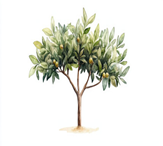
Figure 1: Myristica fragrans
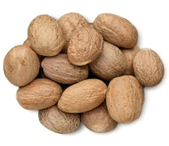
Figure 2: Image of Jaiphal
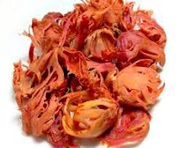
Figure 3: Image of javitri
Chemical composition
Trifan et al. (2023) reported that the characteristic aroma of Myristica fragrans is attributed to the presence of numerous chemical constituents and essential oils. According to Rawi et al. (2024), the essential oil of Myristica fragrans is a clear to pale-yellow liquid possessing a strong and pungent aromatic odor. Kumar et al. (2022) reported that the essential oil yield varies among different plant parts, ranging from 0.7–3.2% in the leaves, 8.1–10.3% in mace, 0.3–12.5% in the seeds, and 6.2–7.6% in the kernel. They further stated that approximately 80% of the essential oil is composed of major constituents such as myristicin, elemicin, safrole, and sabinene. Hoda et al. (2020) reported that the principal chemical constituents of Myristica fragrans include alkylbenzene derivatives and other bioactive compounds, such as myristicin, elemicin, safrole, myristic acid, α-pinene, β-pinene, terpenes, and trimyristin. These compounds are responsible for many of the plant's characteristic aromatic, medicinal, and biological properties. Hoda et al. (2020) further reported that nutmeg contains approximately 10% essential oil, which is predominantly composed of terpene hydrocarbons such as sabinene, pinene, myrcene, phellandrene, camphene, limonene, terpinene, p-cymene, and other terpene derivatives. According to APA (2025), mace contains 8–17% volatile oil in addition to fixed oil, resin, fat, sugars, dextrin, and mucilage. The essential oil extracted from mace is yellow in colour, possesses the characteristic aroma of mace, and contains macene as one of its principal constituents. Ali et al. (2018) reported that Myristica fragrans also yields nutmeg butter, a semi-solid, reddish-brown substance containing 25–40% fixed oil and exhibiting the distinctive fragrance of nutmeg. They further stated that the major constituents of the leaves include sabinene, eugenol, myristicin, caryophyllene, and β-myrcene. In mace, the predominant compounds are sabinene, α-pinene, β-pinene, d-limonene, and 3-carene (Ali et al., 2018). Similarly, Yu (2025) reported that the kernel and seeds are mainly composed of compounds such as sabinene, α-pinene, β-pinene, d-limonene, and β-myrcene. These phytochemical constituents contribute significantly to the characteristic aroma, flavour, and biological activities of Myristica fragrans.
Medicinal Properties
Anti-oxidant activity
Assa et al. (2014) evaluated the antioxidant potential of methanolic extracts obtained from the flesh, seed, and mace of Myristica fragrans using several analytical methods, including the 1,1-diphenyl-2-picrylhydrazyl (DPPH) assay, ferric-reducing antioxidant power (FRAP) assay, ferrous ion-chelating activity, and the ferric thiocyanate (FTC) assay in a linoleic acid system. Their findings revealed that the seed extract exhibited the greatest free-radical scavenging activity, with DPPH and FRAP values of 154.55 (IC₅₀ = μg/ml) and 82.33 mg GAE/g extract, respectively. The corresponding DPPH and FRAP values for mace extract were 201.97 and 56.31, whereas those for the flesh extract were 1372.91 and 13.45, respectively. The total phenolic contents of mace, seed, and flesh extracts were reported to be 4,630.62, 2,434.90, and 388.36 mg GAE/g dry weight, respectively. Furthermore, total phenolic content showed a positive correlation with antioxidant activity, particularly with DPPH (r = 0.87) and FRAP (r = 0.63) values. The study also demonstrated that extracts obtained from the flesh, seed, and mace effectively inhibited linoleic acid peroxidation, indicating their strong antioxidant potential. Akinboro et al. (2011) reported that the aqueous extract of Myristica fragrans possesses antioxidant properties that can suppress cell division and reduce chromosomal abnormalities induced by cyclophosphamide (CP) in Allium cepa L. cells. In their study, a freeze-dried aqueous leaf extract of Myristica fragrans (Houtt.) was evaluated for its mutagenic and antimutagenic potential using the Allium cepa assay. The results indicated that the extract, when administered alone or in combination with cyclophosphamide, inhibited cell division and induced chromosomal abnormalities; however, these effects were not significantly different from those observed in the negative control group (P ≤ 0.05). Moreover, the extract significantly reduced the cytotoxic and mutagenic effects caused by cyclophosphamide. The authors suggested that the observed protective effects on cell division and chromosomal integrity in A. cepa were primarily attributable to the antioxidant properties of the Myristica fragrans extract. Ginting et al. (2021) evaluated the antioxidant and anticancer potential of the bark of Myristica fragrans using an n-hexane extract through 1,1-diphenyl-2-picrylhydrazyl (DPPH) radical scavenging and microculture tetrazolium (MTT) assays. Structural characterization of the isolated compound was performed using nuclear magnetic resonance (NMR), Fourier-transform infrared (FTIR), and liquid chromatography–mass spectrometry (LC–MS) analyses. The compound, identified as (2E)-5-[(2Z,4E)-hexa-2,4-dienoyl]-2-propylcyclohexanol (C₁₈H₃₀O₄), was reported for the first time and demonstrated significant antioxidant and anticancer activities against MCF-7 breast cancer cell lines, with IC₅₀ values of 99.76 ppm and 10.75 ppm, respectively. Similarly, Veerendrakumar et al. (2021) investigated the antioxidant and protease-inhibitory activities of the ethanolic extract of Myristica fragrans (nutmeg). Their study revealed that the extract is rich in several phytochemicals, including alkaloids, flavonoids, terpenoids, and saponins. The ethanolic extract exhibited notable antioxidant activity, with an IC₅₀ value of 300 µg/ml. In addition, it demonstrated anti-inflammatory potential, with an IC₅₀ value of 360 µg/ml, indicating its possible therapeutic value in the management of oxidative stress and inflammatory conditions.
Antidiabetic activities
Pashapoor et al. (2020) reported that pre-treatment of rats with a petroleum ether (60–80°C) extract of Myristica fragrans at a dose of 200 mg/kg resulted in a significant reduction in blood glucose levels (P < 0>Myristica fragrans for 14 consecutive days significantly lowered blood glucose levels from 326.25 ± 7.05 mg% to 268.0 ± 9.6 mg%. These findings suggest that Myristica fragrans possesses promising antihyperglycemic and antidiabetic properties, indicating its potential therapeutic application in the management of diabetes mellitus. Perumalsamy et al. (2022) investigated the antidiabetic potential of a hydroethanolic seed extract of Myristica fragrans (MFHE) and its silver nanoparticle formulation. Silver nanoparticles were synthesized by adding silver nitrate (AgNO₃) solution to the hydroethanolic extract and exposing the mixture to sunlight, resulting in the formation of Myristica fragrans hydroethanolic extract nanoparticles (MFHENP). The synthesized nanoparticles were subsequently characterized using various analytical techniques. Ultraviolet-visible (UV–Vis) spectroscopy confirmed the formation of silver nanoparticles through an absorption peak observed at 430 nm. Scanning electron microscopy (SEM) revealed particle sizes ranging from 50 to 60 nm and provided information on their morphology. Energy-dispersive X-ray (EDX) analysis confirmed the presence of silver ions, while X-ray diffraction (XRD) analysis demonstrated the crystalline nature of the nanoparticles, with a characteristic peak at 39°. Fourier-transform infrared (FTIR) spectroscopy identified the functional groups present in both MFHE and MFHENP, and zeta potential analysis recorded a value of 14 mV, indicating particle stability. The authors concluded that MFHENP exhibited significant inhibitory activity against the carbohydrate-metabolizing enzymes α-amylase and α-glucosidase. Furthermore, glucose diffusion and glucose uptake assays demonstrated that MFHENP effectively slowed glucose transport across the membrane, suggesting its potential usefulness as an antidiabetic agent for regulating blood glucose levels. Blessy et al. (2024) reported that phytochemical analysis of the methanolic extract of Myristica fragrans revealed the presence of a wide range of bioactive compounds, including alkaloids, flavonoids, terpenoids, carbohydrates, saponins, phenols, tannins, and steroids. The abundance of these phytochemicals contributes significantly to the antioxidant potential of the extract. The antioxidant activities of Myristica fragrans and Cinnamomum verum were evaluated and compared with that of standard vitamin C. The methanolic extracts of Myristica fragrans and Cinnamomum verum exhibited considerable antioxidant activity, with IC₅₀ values of 280 mg/ml and 400 mg/ml, respectively. Similarly, Hasbullah et al. (2025) investigated the antihyperglycemic effects of an aqueous mace extract obtained from Myristica fragrans (ME). The study evaluated its effects in both normal and streptozotocin-induced hyperglycemic rats through oral starch and glucose tolerance tests, along with measurements of fasting blood glucose, glycated hemoglobin (HbA1c), body weight, water intake, and organ weight ratios. Acute administration of ME at a dose equivalent to 1.84 mg of total phenolics/kg body weight effectively suppressed the rise in blood glucose levels during oral starch and glucose tolerance tests, resulting in a lower area under the curve (AUC) compared with the negative control group. Furthermore, streptozotocin-induced hyperglycemic rats treated with ME for 28 days exhibited significant reductions in fasting blood glucose and HbA1c levels compared with the negative control group, and the effects were also favourable when compared with the positive control group receiving acarbose (10 mg/kg body weight). These findings suggest that Myristica fragrans mace extract possesses promising antihyperglycemic properties and may have potential applications in diabetes management.
Anticancer activity
Trifan et al. (2023) reported that the essential oil extracted from Myristica fragrans demonstrated significant inhibitory effects on the growth of an undifferentiated human colon cancer cell line (Caco-2 cells) under in vitro conditions. Similarly, Bhat (2017) observed that the methanolic extract of Myristica fragrans induced cell death in the Jurkat leukemia T-cell line through a mechanism involving the downregulation of SIRT1 mRNA expression. The study also demonstrated that Myristica fragrans exhibited antimicrobial activity by inhibiting the growth of microorganisms when used at a concentration of 20% (v/v) extract. Furthermore, Harshidha et al. (2025) reported that the outer covering of nutmeg seeds possesses chemopreventive properties. In their study, treatment significantly reduced the incidence of skin papilloma and suppressed methylcholanthrene-induced carcinogenesis in the cervical region of the uterus in Swiss albino mice. Administration of 10 mg per mouse per day for 90 days resulted in a marked reduction in the severity of carcinoma. These findings suggest that Myristica fragrans possesses promising anticancer and chemopreventive properties, supporting its potential use in cancer prevention and therapeutic research.
Ginting et al. (2021) investigated the anticancer potential of the ethanolic extract of Myristica fragrans using human cancer cell lines. The study demonstrated that the extract produced more than a 70% reduction in cell growth at a concentration of 100 μg/ml, indicating considerable anticancer activity. Similarly, Chung et al. (2006) reported that mace lignan, isolated from the methanolic extract of nutmeg, possesses strong antibacterial properties and exhibits pronounced inhibitory activity against Streptococcus mutans, a major oral pathogen associated with dental caries. When tested at a concentration of 20 μg/ml, mace lignan completely inactivated S. mutans within one minute. Furthermore, the minimum inhibitory concentration (MIC) of mace lignan was found to be substantially lower than that of several other natural anticariogenic agents, highlighting its potential application in oral healthcare and the prevention of tooth decay. Nazar et al. (2024) reported that myristicin (1-allyl-3,4-methylenedioxy-5-methoxybenzene), a naturally occurring alkylbenzene derivative found in Myristica fragrans (nutmeg), induces cytotoxic effects in human neuroblastoma SK-N-SH cells through an apoptosis-mediated mechanism. The study demonstrated a dose-dependent reduction in cell viability, with significant effects observed at myristicin concentrations of 0.5 mM and above. Furthermore, myristicin-induced apoptosis was associated with increased cytochrome-c release and activation of caspase-3, indicating the involvement of the mitochondrial apoptotic pathway. These findings suggest that myristicin possesses potential anticancer properties and may serve as a promising candidate for further investigation in cancer therapeutics.
Anti-microbial activity
Sultan et al. (2023) reported that the dried seed coat of Myristica fragrans contains two bioactive compounds that exhibit significant antifungal and antibacterial activities. Their study further demonstrated that nutmeg possesses strong antimicrobial properties against a wide range of microorganisms. Similarly, Al-Qahtani et al. (2022) reported that Myristica fragrans also functions as a food preservative, antiseptic, and disinfectant. Nutmeg and mace have been shown to possess considerable antimicrobial activity against several animal and plant pathogens, as well as microorganisms responsible for food spoilage and foodborne illnesses. These include Bacillus subtilis, Escherichia coli, Saccharomyces cerevisiae, multidrug-resistant Salmonella typhi, and Helicobacter pylori (Al-Qahtani et al., 2022). Furthermore, Shafi et al. (2025) evaluated the antibacterial activity of essential oil extracted from Myristica fragrans seeds against 25 different bacterial strains. The results indicated that the essential oil was effective against a majority of both Gram-positive and Gram-negative bacteria. The authors also suggested that the essential oil possesses the ability to inhibit the germination and growth of bacterial spores, supporting its potential application as a natural food preservative. These findings collectively highlight the broad-spectrum antimicrobial potential of Myristica fragrans and its possible use in food preservation and pharmaceutical applications. Shafiei et al. (2012) reported that the ethyl acetate extract obtained from the pulp of Myristica fragrans exhibited strong bactericidal activity against several cariogenic Gram-positive and Gram-negative bacteria. The study also identified antifungal compounds isolated from nutmeg, which included derivatives of neolignans and eugenol. Similarly, Yousefi et al. (2020) demonstrated that nutmeg essential oil effectively inhibited the growth and survival of Yersinia enterocolitica and Listeria monocytogenes in both broth cultures and Iranian barbecued chicken samples, indicating its potential application as a natural food preservative. Suthisamphat et al. (2020) further reported that the aqueous extract of nutmeg possesses bactericidal activity against Helicobacter pylori. The authors noted that H. pylori infection is closely associated with the development of gastritis, dyspepsia, peptic ulcer disease, gastric cancer, and primary gastric B-cell lymphoma. In support of these findings, Safavi et al. (2014) evaluated the in vitro susceptibility of 15 H. pylori strains to various botanical extracts and observed that the methanolic seed extract of Myristica fragrans exhibited considerable antibacterial activity, with a minimum inhibitory concentration (MIC) of 12.5 mg/ml against H. pylori. These findings suggest that Myristica fragrans may be beneficial in the management of gastrointestinal disorders associated with H. pylori infection. Shanawany et al. (2024) reported that the methanolic extract of Myristica fragrans exhibits significant antibacterial activity against multidrug-resistant Salmonella typhi. The authors also highlighted its strong antimicrobial effects against microorganisms such as Bacillus subtilis, Escherichia coli, and Saccharomyces cerevisiae. Similarly, Dorman and Deans (2000) reported that the volatile oils of Myristica fragrans possess broad-spectrum antimicrobial activity against several bacterial species, including pathogens affecting plants and animals, as well as microorganisms responsible for food spoilage and foodborne illnesses. Among these, the foodborne pathogen Listeria monocytogenes was found to be highly susceptible to nutmeg oil at 35°C. Jaiswal et al. (2009) emphasized that macelignan, a bioactive compound isolated from Myristica fragrans, is a potent natural anti-biofilm agent against the primary oral colonizers Streptococcus sanguis and Actinomyces viscosus. These bacteria initially adhere to the pellicle-coated tooth surface and contribute to dental biofilm formation. Treatment with 10 μg/ml of macelignan resulted in a 30% reduction in bacterial colony growth within five minutes.
Furthermore, Deresa et al. (2023) reported the isolation of three lignans—erythro-austrobailignan-6, meso-dihydroguaiaretic acid, and nectandrin-B—from the seeds of Myristica fragrans. These compounds demonstrated significant antimicrobial activity under both in vivo and in vitro conditions against several plant pathogens, including Alternaria alternata, Colletotrichum coccodes, Colletotrichum gloeosporioides, Magnaporthe grisea, Agrobacterium tumefaciens, Acidovorax konjaci, and Burkholderia glumae. These findings further support the potential application of Myristica fragrans as a natural source of antimicrobial and plant-protective agents. Omatola and Olaniran (2022) reported that rotaviruses are among the leading causes of diarrhoea in infants and young children in both developed and developing countries. The authors also evaluated the in vitro anti-rotavirus activity of several medicinal plants traditionally used in Brazil for the treatment of diarrhoea and observed that extracts obtained from Myristica fragrans seeds effectively inhibited human rotavirus replication. At a concentration of 160 μg/ml, the seed extract produced approximately 90% inhibition of viral activity. Based on these findings, the authors suggested that Myristica fragrans may have therapeutic potential in the management of diarrhoea when the underlying cause is rotavirus infection.
Hypolipidaemic activity
Vangoori et al. (2019) investigated the effects of the ethanolic extract of Myristica fragrans on cafeteria diet-induced obesity in albino rats. A total of 30 rats were randomly assigned into five groups, each consisting of six animals. Group 1 served as the normal control, whereas Groups 2–5 were fed a cafeteria diet for six weeks to induce obesity, followed by a treatment period lasting 10 weeks. After 70 days of treatment, administration of Myristica fragrans extract at doses of 200 and 400 mg/kg resulted in significant, dose-dependent reductions in body weight, blood glucose, and lipid levels (p < 0>Myristica fragrans extract may exert its beneficial effects by activating the AMP-activated protein kinase (AMPK) pathway, thereby contributing to the regulation of glucose and lipid metabolism. These results indicate the potential usefulness of Myristica fragrans in the management of obesity and associated metabolic disorders. Chaudhary et al. (2021) investigated the lipid-lowering and antiplatelet aggregation effects of Myristica fragrans seed extract in albino rabbits. Their findings indicated that oral administration of the ethanolic extract of nutmeg at a dose of 500 mg/kg for 60 days significantly reduced total cholesterol levels in the heart and liver. The study also demonstrated a marked decrease in the concentrations of low-density lipoprotein (LDL) and very low-density lipoprotein (VLDL). Similarly, Jadhav et al. (2022) reported that administration of Myristica fragrans seed extract to hypercholesterolemic rabbits significantly lowered serum total cholesterol and LDL-cholesterol levels while improving the LDL:HDL ratio. In addition, the extract inhibited the accumulation of phospholipids, triglycerides, and cholesterol in the heart, aorta, and liver. The authors further observed that it promoted the breakdown of atheromatous plaques in the aorta, suggesting a protective effect against the development of atherosclerosis. Collectively, these findings indicate that Myristica fragrans possesses promising hypolipidemic and cardioprotective properties and may have potential applications in the management of hypercholesterolemia and cardiovascular diseases.
Hepatoprotective activity
Zhao et al. (2020) reported that myristicin, one of the principal bioactive compounds present in Myristica fragrans, has the ability to inhibit the increase in serum tumor necrosis factor-alpha (TNF-α) levels induced by lipopolysaccharide and D-galactosamine in mice. Based on these findings, the authors suggested that the hepatoprotective effects of myristicin may be attributed to its ability to suppress the release of TNF-α from macrophages. Similarly, Qadri et al. (2025) reported that mace possesses activities capable of inducing the hepatic detoxification system. Jadhav et al. (2022) further evaluated the interaction between areca nut and mace by measuring the activities of liver detoxification enzymes, including cytochrome P-450, cytochrome b₅, and glutathione S-transferase (GST). Their findings indicated that areca nut diminished the mace-induced increase in hepatic sulfhydryl (-SH) and GST levels while simultaneously elevating the concentrations of cytochrome P-450 and cytochrome b₅. These observations suggest that Myristica fragrans, particularly mace and its bioactive constituents, may play an important role in modulating hepatic detoxification pathways and promoting liver health. Poorbagher et al. (2022) reported that mace lignan isolated from Myristica fragrans exhibited significant hepatoprotective activity against cisplatin-induced liver toxicity in mice. The study demonstrated that this bioactive compound could help protect hepatic tissue from damage caused by chemotherapeutic agents. Similarly, Rawi et al. (2024) reported that an aqueous extract of nutmeg showed considerable hepatoprotective and antioxidant effects against isoproterenol-induced liver injury and oxidative stress. These findings suggest that Myristica fragrans possesses promising liver-protective properties, which may be attributed to its antioxidant constituents and their ability to reduce oxidative damage and enhance hepatic function.
Anti-inflammatory activity
Sun et al. (2018) investigated the anti-inflammatory activity of Myristica fragrans using carrageenan-induced paw edema in rats and acetic acid-induced vascular permeability in mice. The study revealed that the anti-inflammatory effect of Myristica fragrans was comparable to that of indomethacin, a standard anti-inflammatory drug. The authors suggested that myristicin, a major constituent present in mace, is primarily responsible for this anti-inflammatory activity.
Similarly, Le et al. (2024) reported that the anti-inflammatory effects of myristicin may be attributed to its ability to suppress the production of chemokines, cytokines, nitric oxide, and growth factors in double-stranded RNA (dsRNA)-activated macrophages through a calcium-mediated signaling pathway. Furthermore, Shanawany et al. (2024) reported that the methanolic seed extract of Myristica fragrans, traditionally used for the treatment of inflammatory disorders, also exhibited inhibitory effects on nitric oxide (NO) production. These findings collectively suggest that Myristica fragrans possesses significant anti-inflammatory potential and may serve as a promising natural source for the development of therapeutic agents against inflammatory diseases. Sultan et al. (2023) reported that the ethanolic extract of Myristica fragrans (nutmeg) seeds exhibited significant anti-inflammatory activity by inhibiting the production of inflammatory cytokines and nitric oxide. The authors further identified quercetin as the principal bioactive compound responsible for these anti-inflammatory effects. These findings suggest that Myristica fragrans may serve as a valuable natural source of anti-inflammatory agents and could have potential applications in the management of inflammatory disorders.
Memory enhancing activity
Parle et al. (2004) investigated the effects of Myristica fragrans extracts on learning, memory, and cognitive recovery in both young and aged mice, particularly against impairments induced by scopolamine (0.4 mg/kg, intraperitoneally) and diazepam (1 mg/kg, intraperitoneally). In the study, an n-hexane extract of Myristica fragrans was administered orally for three consecutive days at doses of 5, 10, and 20 mg/kg. The results demonstrated that a dose of 5 mg/kg significantly improved learning and memory performance in both young and aged mice, indicating its potential cognitive-enhancing effects.
Similarly, Deepa and Thomas (2025) reported that the treatment of Alzheimer’s disease is primarily based on acetylcholinesterase inhibition, which helps reduce cognitive decline associated with cholinergic deficits. Their study revealed that a hydroalcoholic extract of nutmeg exhibited approximately 50% inhibition of acetylcholinesterase activity, suggesting its potential therapeutic value in the management of Alzheimer’s disease. Collectively, these findings indicate that Myristica fragrans may possess neuroprotective and memory-enhancing properties, supporting its possible use as a complementary therapeutic agent for cognitive disorders and neurodegenerative diseases. Akram and Nawaz (2017) investigated the effects of Myristica fragrans seeds on cognitive function and memory performance in mice. Learning and memory abilities were assessed using the elevated plus-maze and passive avoidance tests. In the study, an n-hexane extract of Myristica fragrans was administered orally at a low dose of 5 mg/kg body weight for three consecutive days. The results showed a significant improvement in learning and memory performance in both young and aged mice. The extract also reversed the learning and memory impairments induced by scopolamine and diazepam in young mice. The authors suggested that the memory-enhancing effects of Myristica fragrans may be attributed to one or a combination of several mechanisms, including its antioxidant, anti-inflammatory, and possible procholinergic activities. These findings indicate that Myristica fragrans possesses promising nootropic and neuroprotective properties and may have potential applications in the management of cognitive dysfunction and memory-related disorders.
Anti-diarrhoeal activity
Abourashed et al. (2016) evaluated the antidiarrheal activity of both the crude suspension and petroleum ether extract of Myristica fragrans (nutmeg). Their findings revealed a reduction in the average frequency of loose stools along with an increase in the latency period before the onset of diarrhoea. Among the tested preparations, the crude suspension exhibited a particularly notable antidiarrheal effect. Similarly, Jakir and Batra (2023) reported that the hexane-soluble fraction obtained from the ethanolic extract of the dried fruits and flowers of Myristica fragrans demonstrated antisecretory activity in the ileum of rabbits and guinea pigs against Escherichia coli enterotoxins. These findings suggest that Myristica fragrans possesses significant antidiarrheal properties, which may be attributed to its ability to reduce intestinal secretions and alleviate symptoms associated with enterotoxin-induced diarrhoea.
Antidepressant activity
Moinuddin et al. (2012) investigated the antidepressant potential of the n-hexane extract of Myristica fragrans seeds in mice using the forced swim test (FST) and tail suspension test (TST). The extract was administered orally at three different doses (5, 10, and 20 mg/kg body weight). The results demonstrated that the 10 mg/kg dose was the most effective, producing the greatest reduction in immobility time when compared with the control group. Similarly, Soltani et al. (2025) reported that the antidepressant activity observed at the 10 mg/kg dose was comparable to that of standard antidepressant drugs, namely imipramine (15 mg/kg) and fluoxetine (20 mg/kg). These findings indicate that Myristica fragrans seed extract possesses significant antidepressant potential when evaluated using both the tail suspension and forced swim tests. Furthermore, Iwata et al. (2022) suggested that the antidepressant effects of nutmeg seed extract may be mediated through interactions with the dopaminergic, adrenergic, and serotonergic neurotransmitter systems. Collectively, these findings highlight the potential of Myristica fragrans as a natural therapeutic agent for the management of depressive disorders.
Anti-obesity activity
Lee et al. (2022) reported that tetrahydrofuran (THF) lignans isolated from Myristica fragrans exhibited anti-obesity effects in mice fed a high-fat diet (HFD). The beneficial effects were attributed to the activation of adenosine monophosphate (AMP)-activated protein kinase (AMPK). The study demonstrated that THF treatment significantly suppressed the increase in body weight, adipose tissue mass, low-density lipoprotein (LDL) levels, and blood glucose concentrations in treated mice when compared with the HFD control group. Similarly, Nguyen et al. (2010) reported that AMP-activated protein kinase (AMPK) is a promising therapeutic target for the management of metabolic syndrome, including obesity and type 2 diabetes mellitus. Their study revealed that the crude extract of Myristica fragrans (nutmeg) stimulated AMPK activity in differentiated C2C12 cells. The authors suggested that nutmeg and its bioactive constituents could be utilized in the development of therapeutic agents not only for obesity and type 2 diabetes but also for the treatment of other metabolic disorders. These findings indicate that Myristica fragrans possesses considerable potential as a natural source of compounds that regulate energy metabolism and improve metabolic health.
Molluscicidal activity
Jaiswal and Singh (2009) investigated the molluscicidal activity of ground nutmeg and mace (Myristica fragrans Houtt.) against the vector snail Lymnaea acuminata. Their findings revealed that the toxic effects of both spices were dependent on both exposure time and concentration. Mace powder exhibited greater toxicity than nutmeg powder, with 96-hour LC₅₀ values of 28.61 mg/L and 36.95 mg/L, respectively. The study further demonstrated that ethanolic extracts of nutmeg and mace were more toxic than extracts prepared using other organic solvents. Among them, the ethanolic extract of mace showed the highest efficacy, with a 24-hour LC₅₀ value of 13.33 mg/L, compared with 18.04 mg/L for the ethanolic extract of nutmeg. In addition, the column-purified fraction of mace exhibited stronger molluscicidal activity, with a 96-hour LC₅₀ value of 2.77 mg/L, whereas the corresponding value for nutmeg was 3.98 mg/L. Based on these findings, the authors concluded that both nutmeg and mace are effective natural molluscicidal agents and may have potential applications in controlling populations of Lymnaea acuminata, a vector responsible for transmitting parasitic diseases. Jaiswal et al. (2010) investigated the effects of molluscicidal compounds present in Myristica fragrans (Myristicaceae) on selected nervous system enzymes of the freshwater snail Lymnaea acuminata Lamarck (Lymnaeidae). The study demonstrated that both in vivo and in vitro treatments with trimyristin and myristicin, the active molluscicidal constituents of Myristica fragrans, significantly reduced the activities of acetylcholinesterase (AChE), acid phosphatase (ACP), and alkaline phosphatase (ALP) in the nervous tissue of L. acuminata. Enzyme inhibition kinetics revealed that both trimyristin and myristicin produced competitive and non-competitive inhibition of AChE. In addition, trimyristin caused uncompetitive inhibition of ACP and competitive/non-competitive inhibition of ALP, whereas myristicin induced competitive inhibition of ACP and uncompetitive inhibition of ALP. Based on these findings, the authors concluded that the suppression of AChE, ACP, and ALP activities by trimyristin and myristicin may be responsible for the molluscicidal effects of Myristica fragrans against Lymnaea acuminata. These results suggest that Myristica fragrans could serve as a potential natural agent for controlling snail populations that act as intermediate hosts for parasitic diseases.
Insecticidal Activity
Soni et al. (2016) investigated two Indian spices, Trachyspermum ammi and Myristica fragrans, to evaluate their essential oil yield, chemical composition, insect-repellent properties, and antibacterial activities. Essential oils were extracted using the hydrodistillation method, yielding 1.94 ± 0.30 ml/100 g from T. ammi and 5.93 ± 0.90 ml/100 g from M. fragrans. Gas chromatography analysis revealed the presence of several major constituents, including β-pinene, α-pinene, α-p-menth-1-en-4-ol, limonene, and elemicin. The essential oil of T. ammi was mainly composed of γ-terpinolene, p-cymene, thymol, and β-pinene. The study further demonstrated that the insecticidal activity of these essential oils was predominantly exerted through the vapour phase. In addition, aqueous extracts of nutmeg seeds were found to be toxic to cockroaches. The essential oil extracted from nutmeg seeds also exhibited insecticidal activity against the larvae of Lycoriella ingenua, a mushroom-infesting fly, and Callosobruchus chinensis, a pulse beetle. These findings indicate that Myristica fragrans has considerable potential as a natural insecticidal and pest management agent, in addition to its antimicrobial properties. Kumar et al. (2022) reviewed the available literature to summarize the chemical composition and therapeutic potential of Myristica fragrans essential oil (MFEO). The authors reported that MFEO obtained from the leaves, mace, kernel, and seeds has been widely used worldwide as a traditional Ayurvedic remedy as well as a fragrance ingredient. Using various extraction techniques, the essential oil yields were found to range from 0.7–3.2% in leaves, 8.1–10.3% in mace, 0.3–12.5% in seeds, and 6.2–7.6% in kernels. The study further revealed that the principal constituents of MFEO include sabinene, eugenol, myristicin, caryophyllene, β-myrcene, and α-pinene. These bioactive compounds contribute to the characteristic aroma and are largely responsible for the diverse pharmacological properties of Myristica fragrans, supporting its potential applications in traditional medicine, aromatherapy, and pharmaceutical formulations. Clinical and experimental investigations have demonstrated that Myristica fragrans essential oil (MFEO) possesses a wide range of biological activities, including antioxidant, antimicrobial, anti-inflammatory, anticancer, antimalarial, anticonvulsant, hepatoprotective, antiparasitic, insecticidal, and nematicidal properties. This review represents one of the first comprehensive attempts to compile and summarize available information regarding the oil yield, chemical composition, and diverse biological activities of MFEO, thereby providing a consolidated understanding of its therapeutic potential and future applications.
Conclusion
An extensive review of the available literature indicates that Myristica fragrans possesses a broad spectrum of medicinal and pharmacological properties. This single spice has shown potential in the prevention and management of numerous diseases and health disorders. Nutmeg and mace, the two principal products obtained from M. fragrans, exhibit significant activity against a variety of harmful microorganisms, including bacteria, fungi, viruses, insects, and molluscan pests that affect both plants and animals. Various parts of the plant, particularly the fruits and seeds, have been reported to possess multiple therapeutic effects, including hepatoprotective, antioxidant, memory-enhancing, anticancer, aphrodisiac, antidiabetic, antidepressant, hypolipidemic, and cholesterol-lowering activities. In addition, Myristica fragrans exhibits antimicrobial, antibacterial, anti-inflammatory, and anticarcinogenic properties. Despite these promising findings, further investigations are required to validate its traditional uses, elucidate its mechanisms of action, and confirm its therapeutic efficacy through advanced experimental and clinical studies.
Declarations
Competing Interests
The authors declare that they have no competing interests or conflicts of interest related to this study.
Funding
This research did not receive any specific financial support or grant from public, private, or non-profit funding agencies.
References
- Abourashed, E.A. & El-Alfy, AT. (2016) Chemical diversity and pharmacological significance of the secondary metabolites of nutmeg (Myristica fragrans Houtt.). Phytochem Rev (6):1035-1056.
Publisher | Google Scholor - Akinboro, A., Mohamed, K.B., Asmawi, M.Z., Sulaiman, S.F. & Sofiman, O.A. (2011) Antioxidants in aqueous extract of Myristica fragrans (Houtt.) suppress mitosis and cyclophosphamide-induced chromosomal aberrations in Allium cepa L. cells. J Zhejiang Univ Sci B 12(11):915-922.
Publisher | Google Scholor - Akram, M. & Nawaz, A. (2017). Effects of medicinal plants on Alzheimer's disease and memory deficits. Neural Regen Res 12(4):660-670.
Publisher | Google Scholor - Ali, M.A., Hamiduddin., Zaigham, M. & Ikram, M. (2018). Phyto-pharmacological potential of Jaiphal (Myristica fragrans Houtt): A spice of medicinal importance and its utilization in Unani Medicine. International Journal of Green Pharmacy 12 (1):26-36.
Publisher | Google Scholor - Al-Qahtani, W.H., Dinakarkumar, Y., Arokiyaraj, S., Saravanakumar, V., Rajabathar, J.R., Arjun, K., Gayathri, P.K. & Nelson, A.J. (2022). Phyto-chemical and biological activity of Myristica fragrans, an ayurvedic medicinal plant in Southern India and its ingredient analysis. Saudi J Biol Sci 29(5):3815-3821.
Publisher | Google Scholor - National Center for Biotechnology Information (2025). PubChem Compound Summary for Mace Oil.
Publisher | Google Scholor - Assa, J.R., Widjanarko, S.B., Kusnadi, J & Berhimpon, S. (2014). Antioxidant Potential of Flesh, Seed and Mace of Nutmeg (Myristica fragrans Houtt). International Journal of Chem Tech Research 6(4):2460-2468.
Publisher | Google Scholor - Bhat, R.P. (2017). Anticancer activities of plant extracts of Gymnacranthera farquhariana (Hook. F. & Thomson) warb., Myristica fatua houtt. var. Magnifica (beddome) sinclair and Samadera indica gaertner. Adv Obes Weight Manag Control 6(5):167‒171.
Publisher | Google Scholor - Blessy, S., Gayathri, R., Priya, V.V., Selvaraj, J. & Kavitha, S. (2024). Evaluation of Antidiabetic Potential of Methanolic Extract of Myristica fragrans (Mace) and Cinnamomum verum- A Comparative in Vitro Study. Texila International Journal of Public Health Special Issue-1, 2024.
Publisher | Google Scholor - Choudhary, K.A., Jabin, A., Aleem, M. & Ansari, F.R. (2021). A review on Myristica fragrans Houtt. with unani perspective and modern pharmacology. World Journal of Advance Healthcare Research, 5(1): 91-94.
Publisher | Google Scholor - Chung, J.Y., Choo, J.H., Lee, M.H., Hwang, J.K. (2006). Anticariogenic activity of macelignan isolated from Myristica fragrans (nutmeg) against Streptococcus mutans. Phytomedicine. 13(4):261-266.
Publisher | Google Scholor - Deepa, A.V. & Thomas, T.D. (2025). Plant extracts and phytochemicals targeting Alzheimer’s through acetylcholinesterase inhibition. Explor Neurosci, 4:100697.
Publisher | Google Scholor - Deresa, E.M. & Diriba, T.F. (2023). Phytochemicals as alternative fungicides for controlling plant diseases: A comprehensive review of their efficacy, commercial representatives, advantages, challenges for adoption, and possible solutions. Heliyon 9(3):e13810.
Publisher | Google Scholor - Dorman, H.J. & Deans, S.G. (2000). Antimicrobial agents from plants: antibacterial activity of plant volatile oils. J Appl Microbiol, 88(2):308-316.
Publisher | Google Scholor - Ginting, B., Mustanir., Nurdin., Maulidna., Murniana & Safrina (2021). Evaluation of Antioxidant and Anticancer Activity of Myristica fragrans Houtt. Pharmacog J, 13(3): 780-786.
Publisher | Google Scholor - Gupta, R., Azhar, M. & Kalam, M.A. (2020). An Overview of Myristica fragrans (Nutmeg) - Its benefits and adverse effects to Humans. Indian J Integr Med 2(4): 45-50.
Publisher | Google Scholor - Harshidha, S.S., Fathima, L., Sujitha, S., Sindhu, R., Prabu, D., Rajmohan, M., Dhamodhar, D. & Nehru, I. (2025). Chemopreventive Activity of Myristica Fragrans (Nutmeg) In The Prevention And Treatment Of Cancer – A Systematic Review. J Adv Med Dent Scie Res, 13(4):31-39.
Publisher | Google Scholor - Hasbullah., Dewi, F.N.A., Faridah, D.N., Indrasti, D., Andarwulan, N. & Średnicka-Tober, D. (2025). Antihyperglycemic Potential of Mace Water Extract from Myristica fragrans Houtt. Applied Sciences, 15(10):5706.
Publisher | Google Scholor - Hoda, S., Vermani, M., Joshi, R.K., Shankar, J. & Vijayaraghavan, P. (2020). Anti-melanogenic activity of Myristica fragrans extract against Aspergillus fumigatus using phenotypic based screening. BMC Complement Med Ther, 20(1):67.
Publisher | Google Scholor - Iwata, N., Kobayashi, D., Kawashiri, T., Kubota, T., Kawano, K., Yamamuro, Y., Miyagi, A., Deguchi, Y., Chijimatsu, T. & Shimazoe, T. (2022). Mechanisms and Safety of Antidepressant-Like Effect of Nutmeg in Mice. Biol Pharm Bull, 45(6):738-742.
Publisher | Google Scholor - Jadhav, P., Diwane, C., Waghmare, P., Patil, V. & Barhe, P. (2022). Pharmacological activity of Myristica fragran’s: A review. World Journal of Pharmaceutical Research 11(4):604-618.
Publisher | Google Scholor - Jaiswal, P & Singh, D.K. (2009). Molluscicidal activity of nutmeg and mace (Myristica fragrance) against the vector snail Lymnaea acuminata. J of Herbs, Spices and Medicinal plants 15(2):177-186.
Publisher | Google Scholor - Jaiswal, P., Kumar, P., Singh, V.K. & Singh, D.K. (2009). Biological Effects of Myristica fragrans. ARBS Annual Review of Biomedical Sciences 11:21-29.
Publisher | Google Scholor - Jaiswal, P., Kumar, P., Singh, V.K. & Singh, D.K. (2010). Enzyme Inhibition by Molluscicidal Components of Myristica fragrans Houtt. In the Nervous Tissue of Snail Lymnaea acuminata. Enzyme Res 2010:478746.
Publisher | Google Scholor - Jakir, A.S & Batra, J.R. (2023). The Review on Myristica fragrance and Its Pharmacological Activities. International Journal of Novel Research and Development, 8(6):816-822.
Publisher | Google Scholor - Joy, P. (2024). Glimpse in to the botanical features of nutmeg. IJNRD, 9(4):826-831.
Publisher | Google Scholor - Kumar, K.K., Simal-Gandara, J., Murugan, M., Dhanya, M.K. & Pandian, A. (2022). Nutmeg (Myristica fragrans Houtt.) Essential oil: A review on its composition, biological, and pharmacological activities. Phytother Res, 36(7):2839-2851.
Publisher | Google Scholor - Le, T.T., Kim, J., Kang, T.K., Lee, W.B., Kim, M., Kim, C.S., Jung, S.H. (2024). Neolignans and Diarylnonanoid Derivatives with Anti-inflammatory Activity from Myristica fragrans Houtt. Seeds. ACS Omega., 9(32).
Publisher | Google Scholor - Lee, M.R., Kim, J.E., Choi, J.Y., Park, J.J., Kim, H.R., et al. (2019). Anti-obesity effect in high-fat-diet-induced obese C57BL/6 mice: Study of a novel extract from mulberry (Morus alba) leaves fermented with Cordyceps militaris. Exp Ther Med, (3):2185-2193.
Publisher | Google Scholor - Moinuddin, G., Devi, K. & Khajuria, K.D. (2012). Evaluation of the anti-depressant activity of Myristica fragrans (Nutmeg) in male rats. Avicenna J Phytomed. Spring, 2(2):72-78.
Publisher | Google Scholor - Narayanan, S.H., Akash, M., Velvizhi, V., Kumar, R. & Latha, S. (2025). Myristica fragrans Houtt: An overview of biological characteristics and applications. World Journal of Pharmaceutical Science and Research, 4(1): 457-469.
Publisher | Google Scholor - Nazar, S.S. & Ayyappan, J.P. (2024). Mechanistic evaluation of Myristicin on apoptosis and cell cycle regulation in breast cancer cells. J Biochem Mol Toxicol, 38(6):e23740.
Publisher | Google Scholor - Nguyen, P.H., Le, T.V.T., Kang, H.W., Chae, J., Kim, S.K., Kwon, K., Seo, D.B., Lee, S.J. & Keun, W. (2010). AMP-activated protein kinase (AMPK) activators from Myristica fragrans (nutmeg) and their anti-obesity effect. Bioorganic & Medicinal Chemistry Letters, 20(14):4128-4131.
Publisher | Google Scholor - Omatola, C.A. & Olaniran, A.O. (2022). Rotaviruses: From Pathogenesis to Disease Control—A Critical Review. Viruses, 14(5):875.
Publisher | Google Scholor - Parle, M., Dhinghra, D. & Kulkarni, S.K. (2004). Improvement of Mouse Memory by Myristica fragrans Seeds. Journal of Medicinal Food, 7(2):157-161.
Publisher | Google Scholor - Pashapoor, A., Mashhadyrafie, S. & Mortazavi, P. (2020). Ameliorative effect of Myristica fragrans (nutmeg) extract on oxidative status and histology of pancreas in alloxan induced diabetic rats. Folia Morphol (Warsz), 79(1):113-119.
Publisher | Google Scholor - Perumalsamy, R. & Krishnadhas, L. (2022). Anti-Diabetic Activity of Silver Nanoparticles Synthesized from the Hydroethanolic Extract of Myristica fragrans Seeds. Appl Biochem Biotechnol, 194(3):1136-1148.
Publisher | Google Scholor - Pillaiyar, T., Manickam, M. & Namasivayam, V. (2017). Skin whitening agents: medicinal chemistry perspective of tyrosinase inhibitors. J Enzyme Inhib Med Chem, 32(1):403-425.
Publisher | Google Scholor - Poorbagher, M.R.M., Karimi, E. & Oskoueian, E. (2022). Hepatoprotective effect of nanoniosome loaded Myristica fragrans phenolic compounds in mice-induced hepatotoxicity. J Cell Mol Med, (21):5517-5527.
Publisher | Google Scholor - Qadri, S.S., Javaid, D., Reyaz, A., Ganie, S.Y. & Reshi, M.S. (2025). Liver disorders and phytotherapy. Toxicol Rep. 14:102047.
Publisher | Google Scholor - Rawi, S.S.A., Ibrahim, A.H., Ahmed, H.J. & Khudhur, Z.O. (2024). Therapeutic, and pharmacological prospects of nutmeg seed: A comprehensive review for novel drug potential insights. Saudi Pharmaceutical Journal, 32(6): 102067.
Publisher | Google Scholor - Safavi, M., Shams-Ardakani, M & Foroumadi, A. (2014). Medicinal plants in the treatment of Helicobactor pylori infection. Pharmaceutical biology, 53(7):939-960.
Publisher | Google Scholor - Seema, V & Manimekalai, V. (2023). Floral Biology of Myristica fragrans Houtt. Biological Forum – An International Journal 15(5):1530-1534.
Publisher | Google Scholor - Shafi, Z., Pandey, V.K., Habiba, U., Singh, R., Shahid, M., Rustagi, S., Kovács, B & Shaikh, A.M. (2025). Exploring the food safety and preservation landscape of Myristica fragrans (L.) against foodborne pathogen: A review of current knowledge. Journal of Agriculture and Food Research 19:101639.
Publisher | Google Scholor - Shafiei, Z., Shuhairi, N.N., Yap, N.F.S., Sibungkil, C.A.H. & Latip, J. (2012). Antibacterial Activity of Myristica fragrans against Oral Pathogens. Hindawi Publishing Corporation Evidence-Based Complementary and Alternative Medicine Volume 2012, Article ID 825362:7 pages.
Publisher | Google Scholor - Shanawany, E.E.E., Abouelmagd, F., Taha, N.M., Zalat, R.S., Abdelrahman, E.H. & Abdel-Rahman, E.H. (2024). Myristica fragrans Houtt. Methanol extract as a promising treatment for Cryptosporidium parvum infection in experimentally immunosuppressed and immunocompetent mice. Vet World 17(9):2062-2071.
Publisher | Google Scholor - Sharmeen, J.B., Mahomoodally, F.M., Zengin, G. & Maggi, F. (2021). Essential Oils as Natural Sources of Fragrance Compounds for Cosmetics and Cosmeceuticals. Molecules 26(3):666.
Publisher | Google Scholor - Soltani, F., Kiani, A., Bahrami, M.T. & Maleki, S.A. (2025). Antidepressant-like effects of Myristica fragrans essential oil in mice: Involvement of the monoaminergic system. Next Research, 2(4):100837.
Publisher | Google Scholor - Soni, R., Sharma, G. & Jasuja, N.D. (2016). Essential Oil Yield Pattern and Antibacterial and Insecticidal Activities of Trachyspermum ammi and Myristica fragrans. Scientifica (Cairo) 2016:1428194.
Publisher | Google Scholor - Spence, C (2024). Nutmeg and mace: The sweet and savoury spices. International Journal of Gastronomy and Food Science, 36:100936.
Publisher | Google Scholor - Sultan, M.T., Saeed, F., Raza, H., Ilyas, A., Sadiq, F., Mustafa, A. & Bawi, E. (2023). Nutritional and therapeutic potential of nutmeg (Myristica fragrance): A comprehensive review. Cogent Food and Agriculture, 9(2).
Publisher | Google Scholor - Sun, K., Song, X., Jia, R., Yin, Z., Zou, Y., et al. (2018). Evaluation of Analgesic and Anti-Inflammatory Activities of Water Extract of Galla Chinensis In Vivo Models. Evid Based Complement Alternat Med 2018:6784032.
Publisher | Google Scholor - Suthisamphat, N., Dechayont, B., Phuaklee, P., Prajuabjinda, O., Vilaichone, R.K., Itharat, A., Mokmued, K. & Prommee, N. (2020). Anti-Helicobacter pylori, Anti-Inflammatory, Cytotoxic, and Antioxidant Activities of Mace Extracts from Myristica fragrans. Evid Based Complement Alternat Med, 7576818.
Publisher | Google Scholor - Thangaselvabai, T., Sudha, K.R., Selvakumar. T. & Balakumbahan, R. (2025). Nutmeg (Myristica fragrans Houtt) – The twin spice – A review. Agricultural Reviews 32(4): 284 – 294.
Publisher | Google Scholor - Trifan, A., Zengin, G., Korona-Glowniak, I., Skalicka-Woźniak, K. & Luca, S.V. (2023). Essential Oils and Sustainability: In Vitro Bioactivity Screening of Myristica fragrans Houtt. Post-Distillation By-Products. Plants 12(9):1741.
Publisher | Google Scholor - Vangoori, Y., Dakshinamoorthi, A. & Kavimani, S. (2019). Effect of Myristica fragrance rxtract on lipid profile, glucose body weight, Food intake, liver and renal function in experimental obese rats. Biomed Pharmacol J, 12(2).
Publisher | Google Scholor - Veerendrakumar, S.P., Gayathri, R., Priya, V.V., Selvaraj, J. & Kavitha, S. (2021). Evaluation of Antioxidant and Protease-inhibitory Potential of Ethanolic Extract of Myristica fragrans (Nutmeg), Journal of Pharmaceutical Research International, 33(57B):263–270.
Publisher | Google Scholor - Verma, N.K., Singh, A.K. & Maurya, A. (2021). Myristica fragrans (Nutmeg): A Brief Review. EAS J Pharm Pharmacol 3(5):133-137.
Publisher | Google Scholor - Yousefi, M., Khorshidian, N. & Hosseini, H. (2020). Potential Application of Essential Oils for Mitigation of Listeria monocytogenes in Meat and Poultry Products. Front Nutr, 7:577287.
Publisher | Google Scholor - Yu, J. (2025). Chemical Composition of Essential Oils and Their Potential Applications in Postharvest Storage of Cereal Grains. Molecules, 30(3):683.
Publisher | Google Scholor - Zhao, W., Song, F., Hu, D., Chen, H., Zhai, Q., Lu, W., et al. (2020). The Protective Effect of Myristica fragrans Houtt. Extracts Against Obesity and Inflammation by Regulating Free Fatty Acids Metabolism in Nonalcoholic Fatty Liver Disease. Nutrients, 12(9):2507.
Publisher | Google Scholor