

Case Report
Gender based differences in access to chronic kidney disease care with focus on South Asia
- Dr Shobhana Nayak-Rao *
Senior Consultant and Head, Nephrology Unit, GNRC Institute of Medical Sciences-A unit of GNRC ltd, Silagrant, Amingaon, North Guwahati, India.
*Corresponding Author: Dr Shobhana Nayak-Rao, Senior Consultant and Head, Nephrology Unit, GNRC Institute of Medical Sciences-A unit of GNRC ltd, Silagrant, Amingaon, North Guwahati, India.
Citation: Shobhana N. Rao. (2026). Gender based differences in access to chronic kidney disease care with focus on South Asia, International Clinical Case Reports and Reviews, BioRes Scientia Publishers. 4(1):1-5. DOI: 10.59657/2993-0855.brs.26.044
Copyright: © 2026 Shobhana Nayak-Rao, this is an open-access article distributed under the terms of the Creative Commons Attribution License, which permits unrestricted use, distribution, and reproduction in any medium, provided the original author and source are credited.
Received: February 23, 2026 | Accepted: July 16, 2026 | Published: July 30, 2026
Abstract
The global epidemic of CKD now affects over 850 million people, more than 10% of the world’s population and its incidence is rapidly rising. It is now among the top causes of death and disability worldwide. This year’s 2023 World Kidney Day theme’ Kidney Health for all -Preparing for the Unexpected, supporting the Vulnerable’ recognizes issues that are slowly becoming vital for the patients with kidney disease. There are many deep-rooted social and economic inequities that have a palpable impact on patient outcomes. Women who make up approximately 50% of the world’s population still strive for equality in business, commerce and professional endeavours, despite recognizing that in many situations’ equity does not exist. In various geographical locations around the world, women are often denied or have lesser access to education and optimal medical care thereby causing irreparable differences in disease outcome. We look at the available data on gender inequities that affect the care of kidney disease in women with focus on Southern Asia.
Keywords: gender discrimination; chronic kidney disease; outcomes; socio-economic status
Introduction
The global epidemic of CKD now affects over 850 million people, more than 10% of the world’s population and its incidence is rapidly rising. It is now among the top causes of death worldwide [1, 2]. South Asia is the most densely populated regions of the world and as home to one-quarter of the world’s population, South Asia is a high-priority region for many public health concerns. This region is also in the midst of an epidemiological transition [3]. Since the 1970’s, South Asia has experienced significant reductions in communicable infectious diseases, diarrhoeal diseases and malnutrition. However, NCD’s such as hypertension, diabetes mellitus, cardiovascular disease, cancer has been emerging as a leading cause of morbidity and mortality. In South Asia alone, the prevalence of diabetes is estimated to increase by over 150% between 2000 and 2035 [4]. In Asia, India and China account for about 70% of the burden of CKD, these being the two most populated countries in the world. However, data on contemporary CKD prevalence across this region are relatively sparse; kidney registries are largely restricted to patients with ESRD requiring renal replacement (RRT). A recent study by Shrestha et al (5) estimated a pooled prevalence of CKD of 15% (95% CI 11-20%) in adult males and 13% (95% CI 10-17%) in adult females. The prevalence of CKD was 2.7% in adult population with hypertension (95% CI 20-35%), 31% in adult living with diabetes (95% CI 22-41%) and 14% (95% CI 10-19%) in adults who were overweight/obese.
This year’s 2023 World Kidney Day theme’ Kidney Health for all -Preparing for the Unexpected, supporting the Vulnerable’ recognizes issues that are slowly becoming vital for the patients with kidney disease. There are many deep-rooted social and economic inequities that have a palpable impact on patient outcomes. Women who make up approximately 50% of the world’s population still strive for equality in business, commerce and professional endeavours, despite recognizing that in many situations’ equity does not exist. In various geographical locations around the world, women are often denied or have lesser access to education and optimal medical care thereby causing irreparable differences in disease outcome. Women are often not represented equally in clinical research studies and hence the impact of treatments on disease outcomes are often extrapolated to them from trails which predominantly enrol greater number of male subjects. It is well known that certain auto-immune diseases such as SLE, RA SS are far more common in females [4]. Pre-eclampsia as a long-term risk factor for later development of CKD also is unique to women. Most studies have found that beyond some diseases (e.g those associated with pregnancy or urinary tract obstructions having clear sex-based associations), the true reasons why the prevalence of CKD is generally higher among women, but that of ESRD is higher among men are not well understood at present. Globally, more men than women receive RRT, partly related to underlying glomerular biology, sex hormonal mediated faster progression of CKD etc. However, in part to reduced access to complicated and expensive medical care and out of pocket costs, women also are more likely to choose conservative kidney care rather than dialysis. Women in societies all over the world are also more likely to be kidney donors rather than kidney recipients and this skewed distribution cuts across economic and developmental status of the nation they belong to. This may be related in part due to greater expected altruism, perception that they are less important bread-winners or in some settings pressures imposed by patriarchal families, likely based on gender [5]. In this review, we focus on what we know about the role of gender in kidney health care and outcomes by published evidence in Southern Asia and provide some anecdotal evidence to highlight this issue with the aim of what we might learn to ultimately improve outcomes for all.
Gender differences in kidney health and access to CKD care: Focus on Southern Asia
In 2016, the global estimates for people living with kidney disease was 752.7 million with 417.0 million females and 335.7 million males [6] (Figure 1). The most prevalent form of kidney disease was albuminuria with preserved GFR, which again affecting females (260.1 million) more than males (216.7 million). The male female ratios of various stages of CKD from Stage 1 to stage 5 are shown pictorially in Figure2. The male female all prevalence ratio significantly differed between various stages with values lower than 1 for albuminuria, GFR stage 1-5 without treatment for RRT, while for dialysis and transplant it was higher than [16). End-stage renal disease (ESRD) contributes to about 0.8% of all CKD. By 2030, the estimated number of RRT is expected to double to 5.439 million (3.89-7.46 million) with the most growth predicted to occur in Asia [8]. The incidence of ESRD in India is reported to be 228 per million population, which roughly translates to an average of 300,000 new patients per year [9). Although renal replacement therapy (RRT) including dialysis and transplantation is life-sustaining, not all patients receive RRT. The rates of ESRD treated by RRT differs greatly between regions and countries and depend on the country’s economy and health care model system. Worldwide about 50% of patients receive treatment [7], and in low and middle-income countries (LMIC) even lesser. In India, studies have shown that only 10% of the ESRD population receive continued dialysis care [11, 12]. In large parts of Sub-Saharan Africa, less than 2% of ESRD are treated by RRT [13). The equality of access to RRT for women is particularly concerning in societies where discrimination against the female gender is rooted in socio-cultural factors. Economic considerations also regularly impact access and continued care for CKD care in women. There are few data to compare gender differences for gaps in treatment. Studies in Africa show that men were more likely to receive RRT than women [14]. In developed countries such as Japan, the incidence of treated ESRD in females was less than half of that in males (3287in males vs 1764 in females per million population [15]. Awareness of kidney disease in women (2.9%±1.65 in women vs 17.9±5.9% in men) contributing to later initiation of dialysis in women has been reported in one US study [16]. Anupama et al. [17] in their study from South India on dialysis patients reported that almost 70% of patients undergoing RRT are male. This statistic is similar to data from the rest of the world where males form the overwhelming number of patients on dialysis, even in developed countries (Figure2). Mortality rates on dialysis are similar in men and women, but the incident rates for dialysis associated complications, hospitalizations and mortality are higher in women [18]. Women receiving dialysis have also been reported to have worse clinical parameters including anemia, nutrition and quality of life [19]. The following vignettes are taken from the tertiary care clinic at our hospital and highlight the wider and complex overlapping concerns that affect CKD care in women.
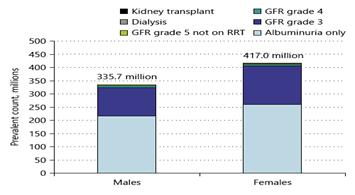
Figure 1: Disparities in Chronic Kidney Disease Prevalence among Males and Females in 195 Countries: Analysis of the Global Burden of Disease 2016 Study
Ref: Bikhov et al. Nephron. 2018;139(4):313-318. doi:10.1159/000489897
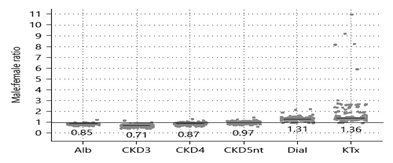
Figure 2: Disparities in Chronic Kidney Disease Prevalence among Males and Females in 195 Countries: Analysis of the Global Burden of Disease 2016 Study
Ref: Bikhov et al Nephron. 2018;139 (4):313-318. doi:10.1159/000489897
Case 1
A 22 yrs old female, S. B belonging to a religious minority was brought to the renal clinic by the mother and older brother for further evaluation and management of chronic kidney disease. Her previous medical history was significant for hypertension and CKD, diagnosis of Ig A nephropathy at age of 16 yrs, CKD-stage 3b(eGFR 42ml/min). She had not had access to regular nephrologist care and follow-up and did not take her prescribed medicines regularly. Her evaluation here revealed advanced renal failure (serum creatinine 17.5mg/dl with eGFR 7ml/min), severe anemia (Hb 5.4gm/L), evidence of severe CKD-MBD (serum total calcium 6.5mg/dl, serum phosphorus 9.4mg/dl, serum ALP 375IU/L). She also had proximal myopathy and complained of occasional episodes of tetany in her hands. She was the second of five children including three boys and two girls. It was apparent that this was neglected CKD with severe metabolic complications. The family was extensively counselled regarding the urgent need for starting RRT, however they expressed financial difficulties despite being eligible for hemodialysis under the govt approved schemes. The mother refused to get her admitted and she was subsequently lost to follow-up.
Case 2
A 62-year-old Lady Mrs. C.D with Type 2 diabetes mellitus was brought to the nephrology clinic by her son for further evaluation of CKD. She had been diagnosed to have CKD six months earlier (serum creatinine 3.2mg/dl, UACR 456mg/dl) and had been advised nephrologist consultation. The family however had not sought the same and had instead opted for alternative herbal and traditional medication for kidney disease. Her condition had deteriorated and she had lost weight and had nausea and poor appetite since few months before consultation. Her evaluation at the clinic revealed that she was in advanced renal failure; serum creatinine 9.2mg/dl corresponding to eGFR <10ml>
Case 3
A 37-year-old lady Mrs. R.D presented to the emergency room with accelerated hypertension and advanced CKD. Her past history revealed two pregnancies, one at the age of 17 yrs and one at 25 years of age. The second pregnancy had been complicated by pre-eclampsia and preterm delivery. She had subsequently not had any follow-up for kidney disease or hypertension management following delivery. At presentation in the emergency room, she was confused, BP was 210/120mm of Hg, pedal edema++ was noticed till mid shin both legs. Labs revealed serum creatinine of 15.2mg/dl, BU 207mg/dl, k+5.7mEq/, Hb 6.8gm/L. Ultrasound abdomen showed bilateral shrunken kidneys consistent with CKD. She was initiated on hemodialysis after placement of right IJV temporary catheter and subsequently underwent left radiocephalic A-V fistula creation before being discharged from the hospital. Subsequently she continued throice weekly maintenance hemodialysis with us. However, BP control remained challenging in her case and ARB (Telmisartan) was added after excluding renal artery stenosis by renal Doppler. Her husband was motivated and came forward to donate his kidney to his wife. He was found to be blood-group compatible and medically fit. However, there were legal hurdles to spousal donation since she was married before the age of 18 yrs (against the law in India) and hence getting authorization from the Govt agency which had to sanction the transplant proved challenging and time consuming. The patient had 2 other siblings and 1 half –sibling who despite being eligible were reluctant to be considered as donors. She continues at this time to be dialysis-dependent and also has major depressive disorder for which she is on medication.
As highlighted above, women are often treated as second–class citizens in some areas where poor literacy rates and deeply entrenched societal norms have a negative impact on access to long term care. Psychological and economic factors, as well as discrimination towards women are also responsible.
Gender differences in access to kidney transplantation
It is well known that kidney transplantation is the best form of RRT for patients without contraindications regardless of age. Worldwide, it is seen that women are less likely to be transplant recipients than men, either from a deceased donor or living kidney donation. However, they are more likely to be living kidney donors. Data from different countries that include USA, France, and India confirm this bias towards women, the lesser likelihood of women being registered on national transplant wait lists, and longer times from dialysis initiation to listing [20,21]. In the study conducted by Bal et al(21) looking at living donor (LD) renal transplantation in India, the authors retrospectively analyzed all LD renal transplantations performed at a single center between 2001 and 2005. Of the 682 recipients, 606 (88.9%) were males and 76 (11.1%) were females (P < .0001). There were 552 biologically related, 118 spousal, and 12 unrelated non-spousal donors. Among the donors, there were 451 (66.1%) females and 231 (33.9%) males (P < .001). Most of the live donations were contributed by mothers (32.1%). In the spousal group, the greatest gender disparity was observed with predominantly wives donating for their husbands (90.7% vs 9.3%). Complex social and economic factors are responsible for the overall gender imbalance. It is fair to say that women represent a highly vulnerable group in LD renal transplantation. Awareness and changes in attitudes of the public as well as physicians are needed to eliminate this gender inequity. Men may be discouraged to donate since they are considered primary breadwinners. They may also have better employment-based insurance coverage which covers the cost of the procedure and post–transplant medication which are expensive. However psychological factors and education of women have been suggested as a contribution to the sex disparity. Women have been conditioned in most societies as ‘givers, not takers’ and this may play a role in women not opting for living kidney transplants from close family members.
Conclusion
Socio-economic factors without a doubt play a role in the glaring inequalities of chronic kidney disease care between sexes, especially in low to middle–income countries and regions. The situation in Southern Asia is further complicated by entrenched patriarchal societal norms that are discriminatory to women and will need to be overcome if women have to have equal access to care and continued therapy. The Covid -19 pandemic has brought into focus the awareness of pervasive gender-based inequalities within all communities pertaining to medical care, including nephrology care and this needs further attention.
References
- Jager, K. J., Kovesdy, C., Langham, R., Rosenberg, M., Jha, V., & Zoccali, C. (2019). A single number for advocacy and communication—Worldwide, more than 850 million individuals have kidney diseases. Nephrology Dialysis Transplantation, 34(11):1803–1805.
Publisher | Google Scholor - GBD 2015 Disease and Injury Incidence and Prevalence Collaborators. (2016). Global, regional, and national incidence, prevalence, and years lived with disability for 310 diseases and injuries, 1990–2015: A systematic analysis for the Global Burden of Disease Study 2015. The Lancet, 388(10053):1545–1602.
Publisher | Google Scholor - Siegel, K. R., Patel, S. A., & Ali, M. K. (2014). Non-communicable diseases in South Asia: Contemporary perspectives. British Medical Bulletin, 111(1):31–44.
Publisher | Google Scholor - Guariguata, L., Whiting, D. R., Hambleton, I., Beagley, J., Linnenkamp, U., & Shaw, J. E. (2014). Global estimates of diabetes prevalence for 2013 and projections for 2035. Diabetes Research and Clinical Practice, 103(2):137–149.
Publisher | Google Scholor - Shrestha, N., Gautam, S., Mishra, S. R., Virani, S. S., & Dhungana, R. R. (2021). Burden of chronic kidney disease in the general population and high-risk groups in South Asia: A systematic review and meta-analysis. PLoS ONE, 16(10):e0258494.
Publisher | Google Scholor - Bikbov, B., Perico, N., & Remuzzi, G. (2018). Disparities in chronic kidney disease prevalence among males and females in 195 countries: Analysis of the Global Burden of Disease 2016 study. Nephron, 139(4):313–318.
Publisher | Google Scholor - Garcia, G. G., Iyengar, A., Kaze, F., Kierans, C., Padilla-Altamira, C., & Luyckx, V. A. (2022). Sex and gender differences in chronic kidney disease and access to care around the globe. Seminars in Nephrology, 42(2):101–113.
Publisher | Google Scholor - Moazam, F. (2006). Bioethics and organ transplantation in a Muslim society. Indiana University Press.
Publisher | Google Scholor - Liyanage, T., Ninomiya, T., Jha, V., Neal, B., Patrice, H. M., Okpechi, I., et al. (2015). Worldwide access to treatment for end-stage kidney disease: A systematic review. The Lancet, 385(9981):1975–1982.
Publisher | Google Scholor - Modi, G. K., & Jha, V. (2006). The incidence of end-stage renal disease in India: A population-based study. Kidney International, 70(12):2131–2133.
Publisher | Google Scholor - Kher, V. (2002). End-stage renal disease in developing countries. Kidney International, 62(1):350–362.
Publisher | Google Scholor - Jha, V. (2004). End-stage renal care in developing countries: The India experience. Renal Failure, 26(3):201–208.
Publisher | Google Scholor - Ojo, A. (2014). Addressing the global burden of chronic kidney disease through clinical and translational research. Transactions of the American Clinical and Climatological Association, 125:229–243.
Publisher | Google Scholor - Halle, M. P., Takongue, C., Kengne, A. P., Kaze, F. F., & Ngu, K. B. (2015). Epidemiological profile of patients with end-stage renal disease in a referral hospital in Cameroon. BMC Nephrology, 16:Article 59.
Publisher | Google Scholor - Saran, R., Robinson, B., Abbott, K. C., Agodoa, L. Y. C., Albertus, P., Ayanian, J., et al. (2017). US Renal Data System 2016 annual data report: Epidemiology of kidney disease in the United States. American Journal of Kidney Diseases, 69(3 Suppl. 1):A7–A8.
Publisher | Google Scholor - Kausz, A. T., Obrador, G. T., Arora, P., Ruthazer, R., Levey, A. S., & Pereira, B. J. G. (2000). Late initiation of dialysis among women and ethnic minorities in the United States. Journal of the American Society of Nephrology, 11(12):2351–2357.
Publisher | Google Scholor - Conjeevaram, A., Anupama, Y. J., Sastry, N. B., et al. (2022). Clinico-epidemiological profile of dialysis services in Karnataka, India: A multicentric exploratory study. Indian Journal of Nephrology, 32(3):223–232.
Publisher | Google Scholor - Adams, S. V., Rivara, M., Streja, E., et al. (2017). Sex differences in hospitalizations with maintenance hemodialysis. Journal of the American Society of Nephrology, 28(9):2721–2728.
Publisher | Google Scholor - Sehgal, A. R. (2000). Outcomes of renal replacement therapy among blacks and women. American Journal of Kidney Diseases, 35(4 Suppl. 1):S148–S152.
Publisher | Google Scholor - Jindal, R. M., Ryan, J. J., Sajjad, I., Murthy, M. H., & Baines, L. S. (2005). Kidney transplantation and gender disparity. American Journal of Nephrology, 25(5):474–483.
Publisher | Google Scholor - Bal, M. M., & Saikia, B. (2007). Gender bias in renal transplantation: Are women alone donating kidneys in India? Transplantation Proceedings, 39(10):2961–2963.
Publisher | Google Scholor