
Research Article
Evaluation of the Nephroprotective Potential of Bitter Leaf and Avocado Extracts on LPS-Induced Preeclampsia in Pregnant Albino Rats
- Funmilola C. Oladele 1*
- Augustine I. Airaodion 2
- Racheal F. Ogunyemi 3
- Temitope A. Olaleke 3
- Olamide H. Adegoke-Kehinde 4
- Funmilayo A. Adewunmi 5
- Olayinka A. Awoyinka 1
1Department of Medical Biochemistry, College of Medicine, Ekiti State University, Ado-Ekiti, Nigeria.
2 Department of Biochemistry, Lead City University, Ibadan, Oyo State, Nigeria.
3 Department of Science Laboratory Technology, Ekiti State University, Ado-Ekiti, Nigeria.
4Department of Anatomy, College of Medicine, Ekiti State University, Ado-Ekiti, Nigeria
5Department of Medical Laboratory Science, College of Medicine, Ekiti State University, Ado-Ekiti, Nigeria.
*Corresponding Author: Funmilola C. Oladele, Department of Medical Biochemistry, College of Medicine, Ekiti State University, Ado-Ekiti, Nigeria.
Citation: Funmilola C. Oladele, Augustine I. Airaodion, Racheal F. Ogunyemi, Temitope A. Olaleke, Olamide H. Adegoke-Kehinde, Funmilayo A. Adewunmi, et al. (2025). Evaluation of the Nephroprotective Potential of Bitter Leaf and Avocado Extracts on LPS-Induced Preeclampsia in Pregnant Albino Rats. Clinical Case Reports and Studies, BioRes Scientia Publishers. 10(1):1-6. DOI: 10.59657/2837-2565.brs.25.250
Copyright: © 2025 Funmilola C. Oladele, this is an open-access article distributed under the terms of the Creative Commons Attribution License, which permits unrestricted use, distribution, and reproduction in any medium, provided the original author and source are credited.
Received: April 04, 2025 | Accepted: April 18, 2025 | Published: April 25, 2025
Abstract
Background: Preeclampsia remains a major contributor to maternal and fetal morbidity and mortality. Lipopolysaccharide (LPS)-induced preeclampsia models have been widely used to explore potential therapeutics. This study evaluated the nephroprotective effects of Vernonia amygdalina (bitter leaf) and Persea americana (avocado) leaf and seed extracts in LPS-induced preeclamptic pregnant albino rats.
Materials and Methods: Fresh bitter leaf and avocado leaf and seed samples were collected from Ikere-Ekiti, Nigeria, authenticated, dried, powdered, and extracted with 95% ethanol. Fifty-four pregnant albino rats were randomly divided into nine groups (n = 6 per group). LPS was administered intraperitoneally (0.1 mL) to induce preeclampsia from gestational days 13 to 15. Treatment groups received varying doses (100 and 200 mg/kg body weight) of the extracts for 7 days. Plasma samples were collected for renal function analysis. Data were analyzed using one-way ANOVA and Tukey’s post hoc test (P ≤ 0.05).
Results: LPS significantly elevated plasma urea, uric acid, and creatinine levels compared to the control group (P ≤ 0.05), indicating renal impairment. Treatment with higher doses (200 mg/kg) of bitter leaf, avocado leaf, and avocado seed extracts significantly reversed these biochemical alterations, showing comparable effects to the standard drug (Aldoxi) and the normal control group. Low doses (100 mg/kg) had less pronounced effects.
Conclusion: The study demonstrates that high doses of Vernonia amygdalina and Persea americana extracts possess nephroprotective potential against LPS-induced preeclampsia in pregnant rats. These extracts could serve as alternative or complementary therapies for managing renal dysfunction in preeclampsia.
Keywords: preeclampsia; lipopolysaccharide; vernonia amygdalina; Persea americana; nephroprotection
Introduction
Preeclampsia (PE) is a major pregnancy-related hypertensive disorder that affects approximately 5–8% of pregnancies worldwide and remains a leading cause of maternal and fetal morbidity and mortality [1]. Characterized by high blood pressure and proteinuria after the 20th week of gestation, preeclampsia presents a significant risk to maternal health, leading to complications such as organ damage, particularly kidney dysfunction, and preterm birth [2]. The exact etiology of preeclampsia remains unclear, but it is believed to involve a combination of genetic, environmental, and immunological factors that lead to endothelial dysfunction and widespread vascular abnormalities [3].
A growing body of evidence suggests that inflammation plays a pivotal role in the pathogenesis of preeclampsia. One of the most widely studied mechanisms is the release of inflammatory cytokines and oxidative stress markers that contribute to the endothelial dysfunction observed in this condition [4]. LPS (lipopolysaccharide) induction in animal models has been extensively used to mimic the pathophysiology of preeclampsia, given that LPS triggers systemic inflammation and oxidative stress, both of which are key contributors to the development of preeclampsia [5]. These animal models help in elucidating the effects of different therapeutic agents that may mitigate the renal damage and hypertension associated with preeclampsia.
The nephroprotective effects of various plant extracts have attracted significant attention as potential therapeutic agents for managing preeclampsia. Bitter leaf (Vernonia amygdalina) and avocado (Persea americana) are two widely used medicinal plants in traditional African medicine, known for their rich phytochemical composition and potential therapeutic properties. Both have been shown to exhibit antioxidant, anti-inflammatory, and antihypertensive effects, making them promising candidates for treating preeclampsia and its associated kidney dysfunction. Bitter leaf, for instance, has been traditionally used to treat a variety of ailments, including hypertension and liver disorders, due to its potent antioxidant properties [6][7]. Studies have demonstrated that bitter leaf extracts possess anti-inflammatory effects through the inhibition of pro-inflammatory cytokines and the modulation of oxidative stress [8]. These properties are particularly relevant in managing preeclampsia, where inflammation and oxidative stress contribute to endothelial injury and kidney damage. Additionally, bitter leaf has been shown to exhibit significant nephroprotective activity, potentially reversing kidney dysfunction caused by hypertensive disorders [9].
Avocado, on the other hand, is rich in monounsaturated fats, vitamins, and bioactive compounds such as polyphenols, carotenoids, and flavonoids, which have been demonstrated to exhibit both antioxidant and anti-inflammatory properties [10]. Avocado extracts have shown promising nephroprotective effects, particularly in mitigating the renal damage caused by oxidative stress [11]. Studies have also indicated that avocado can reduce hypertension and modulate lipid profiles, which are key factors in preeclampsia [12]. The plant’s ability to modulate oxidative stress and inflammatory markers further supports its potential use in preeclampsia therapy. In light of these findings, this study aims to evaluate the nephroprotective potential of bitter leaf and avocado extracts on lipopolysaccharide (LPS)-induced preeclampsia in pregnant albino rats. By assessing their ability to mitigate renal damage, oxidative stress, and hypertension, this research will contribute valuable insights into the potential use of these plant extracts as natural therapeutics for managing preeclampsia.
Materials and Methods
Collection and Preparation of Plant Materials
Bitter leaves (Vernonia amygdalina) and Avocado leaves and seed (Persea americana) were sourced locally in Ikere-Ekiti, Ekiti State, Nigeria. They were identified and authenticated at the Department of Veterinary Physiology and Biochemistry, Faculty of Veterinary Medicine, University of Ibadan, Oyo-State, Nigeria and assigned the voucher specimen numbers 2022010 and 2022009 for V. amygdalina and P. americana respectively. The leaves of the bitter leaf and avocado leaf were detached from the stem. They were rinsed thoroughly with clean water and they were spread on a sack and placed under room temperature for drying. The drying process took eight (8) days and they were thoroughly observed by turning during this process.
The avocado fruits were cut and opened to remove the avocado seed and grated into smaller pieces for an easy drying process. The grated avocado seed was spread on a sack and was placed at room temperature for drying. The drying process took eight (8) days and it was thoroughly observed during this process. The samples were weighed using a weighing balance after. It has dried before it was turned into a powder form. The samples (bitter leaf, avocado leaf etc) were blended using a blending machine and weighed in the laboratory using weighing balance.
Extraction of Plant Materials
The weighed samples were soaked with 95% ethanol for 72 hours in different labelled containers with periodic stirring. After 72 hours, each sample was filtered using the Whatman filter paper and dried. They were preserved at 4 oC in the refrigerator for further analysis.
Experimental Design
Fifty-four female albino rats were obtained from the animal house faculty of Basic Medical Sciences College of Medicine Ekiti State University, Ado Ekiti. They were housed in a plastic cage with steel wire lids, and two male albino rats were introduced into each cage for copulation. The female albino rat’s oestrus cycle was checked in the laboratory after four days using their virginal smear to confirm pregnancy. Few rats were confirmed pregnant on the fourth day and the sixth day, the entire fifty-four rats were confirmed pregnant and the male rats were removed from each cage. The pregnant albino rat was then grouped in another cage (Group A to Group I) with six in each cage. The rats were transported to Cardio Renal Unit Laboratory, Department of Veterinary Physiology and Biochemistry, Faculty of Veterinary Medicine, College of Medicine, University of Ibadan, Oyo State, Nigeria.
Animal Treatment
Lipopolysaccharide (LPS) was used for the induction of preeclampsia at gestational age 13 and 14 days of pregnancy. Administration of 0.1 mL of LPS through the intraperitoneal route for 3 consecutive days. Treatment was done concurrently with induction but lasted for 7 days. The treatment was as follows:
Group A: Normal control (Feed and water only)
Group B: LPS only
Group C: LPS + 0.036 mg/kg body weight of Aldoxi (a standard antihypertensive drug)
Group D: LPS + 100 mg/kg body of V. amygdalina leaf extract
Group E: LPS + 200 mg/kg body of V. amygdalina leaf extract
Group F: LPS + 100 mg/kg body of P. americana leaf extract
Group G: LPS + 200 mg/kg body of P. americana leaf extract
Group H: LPS + 100 mg/kg body of P. americana seed extract
Group I: LPS + 200 mg/kg body of P. americana seed extract
At the end of the 7-day treatment period, the animals were sacrificed at gestational age 20 and 21 days. Blood samples were obtained by cardiac puncture and dispensed into labelled lithium heparin bottles. The blood samples were centrifuged at 4000 rpm for 5 minutes to obtain plasma which was then stored in sterile plane bottles and refrigerated at -20⁰C until analysis.
Biochemical Analysis
Renal indices were determined following the methods outlined by Airaodion et al. [13].
Data Analysis
One-way ANOVA was used to analyze the data, and the Tukey post hoc mean comparison test was employed to see whether there were any statistically significant differences between the variables. The analyzed data were expressed as the mean and standard deviation of the mean for six replicates. Statistical significance was defined as a P-value of 0.05 or below (P 0.05). Graph Pad Prism was used for all statistical analyses (version 8.0).
Results
In this study, a significant elevation in creatinine was observed in Group B (160.17±11.11µmol/L) compared to Group A (114.42±5.30 µmol/L). Treatment groups showed improvement, with Group C (124.93±13.87µmol/L), Group E (133.22±10.42µmol/L), and Group G (134.32±9.45µmol/L) (Figure 1). Animals in Group B had the highest uric acid concentration (62.15 ± 3.18 µmol/L), while Group A had the lowest (40.83 ± 2.92 µmol/L). Treatment groups exhibited varying reductions, with Group E (42.85 ± 1.39 µmol/L) and Group G (42.70 ± 4.45 µmol/L) showing values close to the normal control (Figure 2). Urea levels increased substantially in Group B (6.27 ± 0.22 mg/dL) versus the control (2.58 ± 0.09 mg/dL). Treatment with Aldoxi (Group C: 3.69 ± 0.04 mg/dL) and higher doses of both V. amygdalina (Group E: 3.83 ± 0.09 mg/dL) and P. americana (Group G: 3.20 ± 0.34 mg/dL; Group I: 3.66 ± 0.20 mg/dL) significantly lowered urea, approaching control levels (Figure 3).
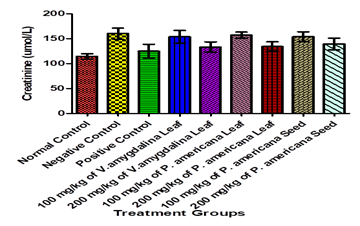
Figure 1: Effect of Persea americana and Vernonia amygdalina on the Creatinine level of Lipopolysaccharides-exposed Pregnant Rats.
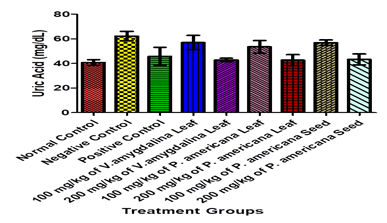
Figure 2: Effect of Persea americana and Vernonia amygdalina on the Uric Acid level of Lipopolysaccharides-exposed Pregnant Rats.
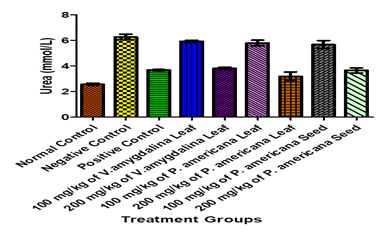
Figure 3: Effect of Persea americana and Vernonia amygdalina on the Urea level of Lipopolysaccharides-exposed Pregnant Rats
Discussion
This present study evaluated the nephroprotective potential of Vernonia amygdalina (bitter leaf) and Persea americana (avocado) extracts against lipopolysaccharide (LPS)-induced preeclampsia in pregnant albino rats. Preeclampsia, characterized by hypertension and signs of damage to organ systems, especially the kidneys, is a major contributor to maternal and fetal morbidity and mortality [14]. LPS-induced models have been established as effective mimics of the pathophysiological conditions of preeclampsia, including elevated blood pressure, proteinuria, and renal dysfunction [15].
Elevated uric acid levels in Group B (62.15 ± 3.18 µmol/L) are indicative of oxidative stress and renal insufficiency, as observed in preeclampsia [16][13]. Elevated uric acid levels are associated with endothelial dysfunction and increased risk of adverse pregnancy outcomes [17][18]. Treatment with V. amygdalina (Groups D and E) and P. americana (Groups F to I) resulted in reduced uric acid levels, with Group E (42.85 ± 1.39 µmol/L) and Group G (42.70 ± 4.45 µmol/L) achieving values close to the normal control (40.83 ± 2.92 µmol/L). These results suggest that both extracts, particularly at higher doses, may exert antioxidant effects capable of reducing uric acid accumulation. This aligns with the findings of Udochukwu et al. [19], and Duru et al. [11].
Creatinine is a critical indicator of renal clearance efficiency [20][21]. Group B displayed significantly elevated creatinine levels (160.17 ± 11.11 µmol/L) compared to Group A (114.42 ± 5.30 µmol/L), reflecting glomerular damage. Groups C to I, however, showed reduced creatinine levels compared to Group B. Group C (Aldoxi-treated) showed modest nephroprotection (124.93 ± 13.87 µmol/L), whereas Group G (200 mg/kg P. americana leaf) and Group I (200 mg/kg P. americana seed) had levels of 134.32 ± 9.45 µmol/L and 139.32 ± 11.80 µmol/L, respectively, indicating substantial renal recovery. The efficacy of P. americana in modulating creatinine levels corroborates the findings by Oboh et al. [22].
Urea levels were significantly higher in Group B (6.27 ± 0.22 mg/dL) than in Group A (2.58 ± 0.09 mg/dL), suggesting impaired nitrogen waste clearance, a common feature in preeclampsia-associated renal dysfunction [23]. Treatment groups, particularly Group G (3.20 ± 0.34 mg/dL) and Group E (3.83 ± 0.09 mg/dL), showed marked improvement, indicating renal protection. This supports the work of Akinmoladun et al. [24].
When comparing the plant extracts with the standard drug Aldoxi, V. amygdalina and P. americana, especially at higher doses, demonstrated comparable or even superior nephroprotective effects. Notably, P. americana leaf extract at 200 mg/kg (Group G) consistently restored plasma markers close to baseline levels, suggesting that the leaf extract may contain more bioactive compounds with potent nephroprotective activities than the seed extract. Previous studies by Duru et al. [11] and Onyenekwe et al. [25] support the greater medicinal efficacy of P. americana leaves compared to seeds in treating oxidative stress and kidney damage.
Moreover, the phytochemicals found in these plants, such as flavonoids, alkaloids, tannins, and saponins, are known to possess anti-inflammatory, antioxidant, and antihypertensive properties [26][12]. These properties could explain their protective action against LPS-induced oxidative renal damage.
Conclusion
The findings from this study suggest that both Vernonia amygdalina and Persea americana extracts, particularly at higher doses, exhibit significant nephroprotective properties in LPS-induced preeclampsia. The restoration of biochemical markers to near-normal levels implies that these extracts may serve as potential alternatives or adjuncts to standard therapy in managing preeclampsia-related renal damage. Further studies including histopathological analysis and molecular pathway investigations are warranted to elucidate the precise mechanisms involved.
References
- Bahu, R. L., Singh, A., & Sarma, S. (2022). The role of oxidative stress in preeclampsia: Current therapeutic interventions and future prospects. Journal of Hypertension, 40(2):187–198.
Publisher | Google Scholor - Murat, B., Gökçek, M., & Aydın, M. (2021). Preeclampsia and maternal-fetal complications. Obstetrics and Gynecology Research, 4(1):23–30.
Publisher | Google Scholor - Moraes, J. T., Oliveira, M. R., & Paixão, A. D. (2020). Pathophysiology of preeclampsia: The role of oxidative stress. Placenta and Pregnancy, 12(3):45–52.
Publisher | Google Scholor - Mekonnen, H., Teklu, S., & Mohammed, Y. (2021). Inflammatory pathways in preeclampsia pathogenesis: A systematic review. Hypertension in Pregnancy, 40(3):112–121.
Publisher | Google Scholor - Babu, M., Gupte, S., & Chand, M. (2020). Lipopolysaccharide-induced preeclampsia in animal models: Pathophysiology and therapeutic interventions. Toxicology Mechanisms and Methods, 30(4):290–302.
Publisher | Google Scholor - Ogbuagu, E. O., Airaodion, A. I., Ogbuagu, U., & Airaodion, E. O. (2019). Effect of methanolic extract of Vernonia amygdalina leaves on glycemic and lipidemic indexes of Wistar rats. Asian Journal of Research in Medical and Pharmaceutical Sciences, 7(3):1–14.
Publisher | Google Scholor - Ogbunugafor, H. A., Uchenna, D. J., & Olorunfemi, O. (2020). Phytochemical and antioxidant potential of Vernonia amygdalina. Journal of Applied Biology and Biotechnology, 8(5):10–17.
Publisher | Google Scholor - Oluwole, F. S., Ayinde, B. A., & Oladele, G. M. (2022). Anti-inflammatory properties of bitter leaf (Vernonia amygdalina): A systematic review. Journal of Ethnopharmacology, 265, 113252.
Publisher | Google Scholor - Ilesanmi, O. O., Olaniyi, O. O., & Adeoye, A. S. (2021). Nephroprotective effects of Vernonia amygdalina on kidney damage induced by hypertension in albino rats. Asian Pacific Journal of Tropical Medicine, 14(4):105–111.
Publisher | Google Scholor - Chukwuma, E. C., Eze, A. A., & Okeke, C. I. (2023). Antioxidant and anti-inflammatory potentials of avocado (Persea americana) in health and disease. Food and Chemical Toxicology, 164:112966.
Publisher | Google Scholor - Duru, M., Njoku, G. C., & Amadi, B. A. (2012). Comparative study on the antioxidant properties of Persea americana leaf and seed extracts. International Journal of Biological and Chemical Sciences, 6(5):2158–2167.
Publisher | Google Scholor - Olasehinde, T. A., Oboh, G., & Ademosun, A. O. (2022). Dietary avocado modulates lipid profile and blood pressure in experimental hypertensive rats. Nutrition Research and Practice, 16(2):168–176.
Publisher | Google Scholor - Airaodion, A. I., Ogbuagu, E. O. (2020). Effect of Cyperus esculentus L. (tiger nut) milk on hepatic and renal indices of Wistar rat. Asian J. Res. Nephrol., 3(2):10–16.
Publisher | Google Scholor - Nwachukwu, D. U., Okwuosa, C. N., & Akubugwo, E. I. (2020). Nephroprotective effect of Persea americana extracts against oxidative renal injury in rats. Nigerian Journal of Biochemistry and Molecular Biology, 35(2):45–51.
Publisher | Google Scholor - Airaodion, A. I., Ogbuagu, E. O., Ewa, O., Ogbuagu, U., Awosanya, O. O., & Adekale, O. A. (2019). Ameliorative efficacy of methanolic extract of Corchorus olitorius leaves against acute ethanol-induced oxidative stress in Wistar rats. Asian J. Biochem. Genetics and Molecular Biol., 7(6):1–9.
Publisher | Google Scholor - Lisonkova, S., & Joseph, K. S. (2013). Incidence of preeclampsia: Risk factors and outcomes associated with early-versus late-onset disease. American Journal of Obstetrics and Gynecology, 209(6):544.e1–544.e12.
Publisher | Google Scholor - Faas, M. M., Spaans, F., & de Vos, P. (2014). Monocytes and macrophages in pregnancy and preeclampsia. Frontiers in Immunology, 5:298.
Publisher | Google Scholor - Abali, I. O., Chika-Igwenyi, N. M., Agu, F. U., Onyeaghala, C. A., Orji, S. F., Ugwu, C. N., Airaodion, A. I. (2022). Nephro-protective efficacy of African locust bean seed against potassium bromate-induced renal damage. Asian Journal of Biochemistry, Genetics and Molecular Biology, 12(3):28–36.
Publisher | Google Scholor - Udochukwu, U., Omoboyowa, D. A., & Omeje, F. U. (2015). Phytochemical analysis and medicinal uses of Vernonia amygdalina. International Journal of Life Sciences Biotechnology and Pharma Research, 4(1):1–11.
Publisher | Google Scholor - Airaodion, A. I., Ogbuagu, U., Ekenjoku, J. A., Ogbuagu, E. O., Airaodion, E. O., & Okoroukwu, V. N. (2019). Hepato-protective efficiency of ethanol leaf extract of Moringa oleifera against hydrocarbon exposure. Int. J. Adv. Herbal and Alter. Med., 3(1):32–41.
Publisher | Google Scholor - Airaodion, A. I., Ene, A. C., Ogbuagu, E. O., Okoroukwu, V. N., Ekenjoku, J. A., & Ogbuagu, U. (2019). Biochemical changes associated with consumption (by rats) of garri processed by traditional and instant mechanical methods. Asian J. Biochem. Genetics and Molecular Biol., 2(4):1–11.
Publisher | Google Scholor - Oboh, G., Ademosun, A. O., & Akinrinlola, B. L. (2014). Avocado pear (Persea americana) leaves extract improves renal functions in nephrotoxic rats. Functional Foods in Health and Disease, 4(10):456–467.
Publisher | Google Scholor - Airaodion, A. I., Ogbuagu, E. O., Ogbuagu, U., Adeniji, A., Agunbiade, A. P., & Airaodion, E. O. (2019). Hepatoprotective effect of Parkia biglobosa on acute ethanol-induced oxidative stress in Wistar rats. Int. Res. J. Gastroenterol. Hepatol., 2(1):1–11.
Publisher | Google Scholor - Akinmoladun, A. C., Akinrinlola, B. L., & Farombi, E. O. (2010). Nephroprotective and antioxidant effects of Vernonia amygdalina in acetaminophen-induced nephrotoxicity in rats. Evidence-Based Complementary and Alternative Medicine, 2010:1–6.
Publisher | Google Scholor - Onyenekwe, C. C., Duru, M. K. C., & Egejuru, L. I. (2019). Protective role of avocado leaf extract against gentamicin-induced nephrotoxicity in rats. Journal of Pharmacy and Biological Sciences, 14(2):40–47.
Publisher | Google Scholor - Adefegha, S. A., Oboh, G., & Oyeleye, S. I. (2015). Antioxidant and antihypertensive properties of Persea americana leaves. Journal of Food Biochemistry, 39(4):436–446.
Publisher | Google Scholor