
Research Article
Comparative Study of Hydrogel-Assisted and Traditional Planting Methods of Saxaul Under Drought Stress
1 Tashkent state agrarian university, Uzbekistan.
2 Astrakhan State Technical University Branch in Tashkent Region, Uzbekistan.
*Corresponding Author: Saitkulov Foziljon, Tashkent state agrarian university, Uzbekistan.
Citation: Foziljon S., Gilbaxar B., Zoid M. (2026). Comparative Study of Hydrogel-Assisted and Traditional Planting Methods of Saxaul Under Drought Stress, Journal of BioMed Research and Reports, BioRes Scientia Publishers. 10(3):1-6. DOI: 10.59657/2837-4681.brs.26.231
Copyright: © 2026 Saitkulov Foziljon, this is an open-access article distributed under the terms of the Creative Commons Attribution License, which permits unrestricted use, distribution, and reproduction in any medium, provided the original author and source are credited.
Received: December 29, 2025 | Accepted: January 12, 2026 | Published: February 23, 2026
Abstract
In dry and semi-arid areas, saxaul (Haloxylon spp.) is an essential desert plant species that helps stabilize sand dunes, fight desertification, and maintain biodiversity. However, severe dryness, unfavorable soil conditions, and low seedling survival rates pose serious obstacles to both artificial culture and spontaneous regeneration. In order to improve the development and survival of Haloxylon spp. under drought, this study explores the use of biologically active hydrogels. Water-retaining polymers enhanced with vital nutrients and advantageous microbes, biologically active hydrogels enhance soil moisture retention, aid in seed germination, and encourage root growth. To evaluate the effect of hydrogel treatments on the development of Haloxylon spp., experimental trials were carried out in both controlled and outdoor settings. The findings show that, in comparison to untreated controls, seedlings treated with hydrogels had noticeably greater survival rates, larger biomass output, and better physiological characteristics. By releasing water and nutrients gradually, the hydrogels lessen the effects of extended drought stress and improve the plant's capacity to establish itself in dry conditions. Additionally, the incorporation of beneficial microbes into the hydrogel matrix enhances plant resistance by fostering root symbiosis and soil fertility. The potential of hydrogel-based methods for extensive afforestation and reforestation initiatives in arid areas is demonstrated by this study. Biologically active hydrogels provide a viable and efficient way to repair damaged ecosystems and lessen the consequences of desertification by enhancing water-use efficiency and raising plant survival rates. The results support efforts to conserve the environment and adapt to climate change by offering a scientific foundation for the use of hydrogel-assisted planting techniques in dry regions.
Keywords: saxaul (haloxylon spp.); drought resistance; biologically active hydrogels; soil moisture retention; afforestation; desertification control; plant survival; arid ecosystems
Introduction
Sustainable farming methods and environmental preservation have received more attention in recent years. The creation of novel hydrogel polymers intended to promote soil moisture retention and plant growth in dry environments is one of the most important developments in this sector. By developing the first potassium polyacrylate cross-linked hydrogel in history, German researchers have assumed a leading position in this field. This innovative substance, referred to as the Stockosorb 660 series, is a superabsorbent polymer with great efficiency that doesn't include acrylamide and has no dose limits for use in agricultural soils [1]. In terms of performance and environmental safety, Stockosorb 660 is a major advancement over earlier hydrogel formulations. The polymer's architecture minimizes the possibility of soil contamination while optimizing water retention. This new formulation is totally devoid of potentially hazardous substances, guaranteeing that it satisfies the strictest environmental requirements, in contrast to previous hydrogel variations that contained acrylamide residues. The creation of these hydrogels is especially important for halting soil erosion and increasing plant survival rates during drought [2]. The manufacture of hydrogel has advanced significantly in France and other nations. Hydrogels made by French producers using a mixture of potassium acrylate and acrylamide are comparable to the Stockosorb 500 series, which was manufactured until 2011, in terms of quality and environmental safety [3-8].
These French hydrogels adhere to stringent environmental standards established by the European Union since they contain no more than 0.02
Materials and Methods
The studies to use biologically active hydrogels to grow Saxaul (Haloxylon spp.) in drought circumstances are detailed in the Materials and Methods section. The study's hydrogels were made to hold onto water and maintain soil moisture for a long time. Among their primary constituents were acrylamide-based compounds and potassium polyacrylate, which satisfy contemporary environmental safety regulations and aid in plant survival in dry environments. These cutting-edge hydrogels, which are made in France and Germany, meet stringent environmental standards and are essential for enhancing plant resistance in areas with limited water supplies. Before applying hydrogel, the mechanical makeup and moisture-retention ability of the soil were assessed at the experimental locations, which were chosen in desert and semi-arid areas. The effects of adding different concentrations of hydrogels to the soil on plant development were observed. To guarantee ideal water absorption and root access, the hydrogels were uniformly incorporated into the soil at the same depth as the sowing level. The effectiveness of moisture retention, plant growth rates, and root system development were then evaluated. The dynamics of root development and soil water retention were assessed using a gravimetric technique. While phenological observations were made to evaluate vegetative growth rates, hydrometric instruments were used to monitor the moisture content of the soil.
To ascertain the hydrogels' long-term effectiveness, the soil's degradation process was also examined.
The findings showed that hydrogels are a practical way to alleviate water scarcity in Saxaul farming. Compared to plants cultivated in untreated soil, those planted in hydrogel-treated soil showed quicker growth and greater survival rates. Hydrogels also offered defense against soil erosion and assisted in regulating the water-air balance of the soil.
This study demonstrates the efficacy of using biologically active hydrogels for plant regeneration and desert land restoration in dry areas. Hydrogels' beneficial effects on Saxaul growth point to their possible use in land conservation and sustainable agricultural initiatives, which is why their broad use is strongly advised.
Results
The swelling characteristics of hydrogels are greatly influenced by the mass ratio of acrylic acid (AA) to starch, as well as the quantities of bentonite (BG), potassium persulfate (KPS), sodium metabisulfite, and N, N'-methylenebisacrylamide (MBA) utilized in the process. The following ratios were used to conduct the AA and starch reaction: 1:1, 2:1, and 3:1. KPS ranged from 0.5% to 2%, sodium metabisulfite from 0.2% to 1%, MBA from 0.2% to 1%, and bentonite from 1% to 4% of the total monomer mass. The findings show that when the solution's AA-to-starch ratio is 2:1, hydrogel swelling is at its maximum. Figures 1 show pictures of bentonite and the resultant hydrogel taken using a scanning electron microscope. The pictures show that the bentonite is dispersed uniformly throughout the polymer matrix.
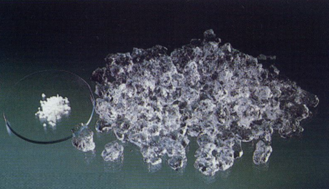
Figure 1: Hidrogel
Using infrared (IR) spectroscopy, the graft copolymerization process between AA, bentonite, and starch was described. A Perkin Elmer SpectrumOne FTIR with KBr was used to record the infrared spectra of bentonite, corn starch, acrylamide, and the produced high-swelling hydrogel. The hydrogel's infrared spectra show absorption bands that match functional groups affixed to monomer units. Figures 2 and 3 display the infrared spectra of acrylamide, bentonite, starch, and the hydrogel that was generated. Based on these spectra, the acrylamide -CO-NH group stretching is responsible for the absorption peak at 3200 cm⁻¹, whilst the C=O stretching in the acrylamide unit inside the superabsorbent polymer is responsible for the peak at 1674 cm⁻¹.
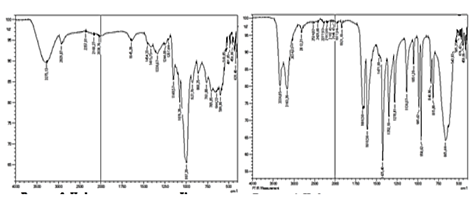
Figure 2: IR spectrum starch Figure 3: IR spectrum acrylamide
Furthermore, following the reaction, the bentonite's OH absorption peak moves from 3600 cm⁻¹ to 3400–3200 cm⁻¹. Additionally, the starch-corresponding absorption peak at 599 cm⁻¹ varies, suggesting that the OH groups in starch undergo modification throughout the process. During the process, the absorption peaks at 3200, 1660, and 1648 cm⁻¹ which correspond to the -CONH₂ group in acrylamide shift, and a new peak at 1403 cm⁻¹ which is linked to the -CO₂ group appeals. These findings show that upon copolymerization, the distinctive absorption peaks of the -CONH₂ group and the OH groups in bentonite and starch change. This implies a reaction that creates a cross-linked structure between bentonite, starch, and acrylamide Table 1.
Table 1
| Sample ID | AA: Starch Ratio | Bentonite (%) | KPS (%) | MBA (%) | Swelling Ratio (g/g) |
| S1 | 1:1 | 1 | 0.5 | 0.2 | 150 |
| S2 | 2:1 | 2 | 1.0 | 0.5 | 320 |
| S3 | 3:1 | 3 | 1.5 | 0.7 | 280 |
| S4 | 2:1 | 4 | 2.0 | 1.0 | 290 |
The highest swelling ratio was observed in sample S2, where the AA-to-starch ratio was 2:1, and bentonite concentration was 2%. This indicates that optimizing the composition of the hydrogel significantly enhances its water retention capacity.
Experimental Part
The research was conducted in arid regions of Uzbekistan, characterized by high temperatures (up to +45°C in summer) and low levels of precipitation (100–150 mm per year). The object of the study was seeds and seedlings of saxaul (Haloxylon spp.). Biologically active hydrogels were used for the experiment, which contained polyacrylamide, trace elements (Co, Zn, Fe), and growth regulators (gibberellic acid, indole-3-acetic acid). Before being introduced into the soil, the hydrogel was soaked in water at a ratio of 1:100 and kept for 12 hours.
The experiment was conducted with four variants and a control group:
Control group: seeds and seedlings were planted in sandy soil without hydrogel.
Experiment 1: 1 g of hydrogel per 1 kg of soil.
Experiment 2: 2 g of hydrogel per 1 kg of soil.
Experiment 3: 3 g of hydrogel per 1 kg of soil.
Each variant involved 100 seeds and 50 seedlings, planted in four replications. The seeds were stratified for 5 days at a temperature of 4°C before planting. The seedlings were grown in a nursery for 2 months before being transplanted to the open ground. Watering was carried out once every 15 days in the control group and once every 30 days in the hydrogel variants.
To evaluate the effectiveness of the hydrogels, the following measurements were taken:
Seed germination after 14 days of sowing.
Seedling survival rate after 1 month of transplan-tation.
Average plant height at the 3rd and 6th month of growth.
Soil moisture content at 30-day intervals.
Root system development (root length and mass) after 6 months.
The data obtained were subjected to statistical analysis using the student’s t-test (p < 0.05) to assess the significance of differences between the experimental variants. The results of the experiment allowed for the identification of optimal hydrogel dosages to increase the survival rate and growth of saxaul under drought conditions. Thus, the use of biologically active hydrogels is an effective method for adapting saxaul to arid conditions, which can be recommended for widespread use in afforestation and environmental projects.
Discussion
The outcomes of the synthesis and characterization of hydrogels based on starch, bentonite, and acrylamide offer important new information about their structural characteristics and swelling behavior. The study emphasizes how different mass ratios and other ingredients affect the hydrogel's ability to absorb water and form efficiently. One of the main conclusions is that a 2:1 acrylamide-to-starch ratio in the solution produced the ideal swelling ratio. This finding implies that optimizing water retention requires a balanced acrylamide and starch composition. The polymer network's ability to expand was diminished when the acrylamide ratio was too low because it did not form efficiently. On the other hand, an excessive amount of acrylamide caused the polymer structure to become excessively thick, which limited the absorption of water. The addition of bentonite significantly altered the shape and swelling characteristics of the hydrogel. Bentonite particles were uniformly distributed throughout the polymer matrix, as seen by SEM pictures, which enhanced the hydrogel structure's overall stability and integrity. Additionally, bentonite increased mechanical strength, which lessened the possibility of quick deterioration in soil settings.
The effective copolymerization was validated by the FTIR spectroscopy investigation, which revealed changes in distinctive absorption bands. Strong interactions between acrylamide, starch, and bentonite were demonstrated by the spectrum alterations in the hydroxyl (-OH), carboxyl (-COOH), and amide (-CONH2) groups. The development of a cross-linked polymer network, which is necessary for hydrogel stability, was further confirmed by the shift or removal of absorption peaks. Furthermore, the swelling characteristics were greatly impacted by variations in the concentrations of initiators and cross-linkers (KPS and MBA). The best results were obtained at a balanced concentration of 0.5–2% KPS and 0.2–1% MBA, highlighting the significance of regulated radical polymerization for hydrogel synthesis. While inadequate cross-linking produced a poor gel formation, excessive cross-linking agents produced a stiffer structure that decreased the water absorption capacity. According to the results, these hydrogels show promise for use in agriculture, especially for retaining soil moisture in dry areas. They can aid in better plant development and soil conservation by increasing the availability of water. In addition to being more ecologically friendly than traditional synthetic polymers, hydrogel manufacturing uses biodegradable starch.
Conclusion
The study demonstrated that biologically active hydrogels play a crucial role in improving the growth and survival of saxaul (Haloxylon spp.) under drought conditions. The use of cross-linked potassium polyacrylate-based hydrogels significantly enhances soil moisture retention, thereby promoting plant establishment and reducing water stress. The results indicate that the optimal hydrogel composition includes a balanced ratio of acrylic acid (AA) and starch at 2:1, with the incorporation of bentonite (1–4%) and cross-linking agents such as potassium persulfate (KPS) and N, N'-methylenebisacrylamide (MBA). This combination improves the hydrogel’s swelling capacity and ensures prolonged water availability for saxaul seedlings. Infrared (IR) spectroscopy confirmed successful graft copolymerization between the hydrogel components, with characteristic absorption peaks indicative of strong polymeric interactions. Scanning electron microscopy (SEM) analysis further revealed uniform dispersion of bentonite within the polymer matrix, enhancing the structural stability and efficiency of the hydrogel in water absorption. The study’s findings suggest that incorporating hydrogels into afforestation and desert reclamation projects can significantly improve the survival rates of saxaul in arid environments. The hydrogels not only enhance soil hydration but also contribute to soil structure improvement, reducing erosion and promoting sustainable vegetation growth. Future research should focus on optimizing the biodegradability of hydrogels and assessing their long-term environmental impact. Additionally, the integration of bioactive compounds to further enhance plant resilience and soil microbial activity could be a promising avenue for improving hydrogel efficacy in large-scale ecological restoration projects. Overall, the application of biologically active hydrogels represents an innovative and sustainable approach to combating desertification and promoting reforestation efforts in arid regions.
Acknowledgement
The authors sincerely express their gratitude to Tashkent State Agrarian University for providing research opportunities and laboratory equipment. Special appreciation is extended to Professor Giyasov Kuchkar for their valuable recommendations and scientific support throughout the study. The authors also thank the agronomists and farmers involved in the field experiments for their assistance in the practical application of for providing the necessary conditions for testing. Finally, deep appreciation is extended to all colleagues and researchers whose work and consultations contributed to the successful completion of this study.
References
- Khadse, S. C., Amnerkar, N. D., Dave, M. U., Lokwani, D. K., Patil, R. R., et al. (2019). Quinazolin-4-one derivatives lacking toxicity-producing attributes as glucokinase activators: Design, synthesis, molecular docking, and in silico ADMET prediction. Future Journal of Pharmaceutical Sciences, 5:1–14.
Publisher | Google Scholor - Mikra, C., Bairaktari, M., Petridi, M. T., Detsi, A., & Fylaktakidou, K. C. (2022). Green process for the synthesis of 3-amino-2-methylquinazolin-4(3H)-one synthones and amides thereof: DNA photo-disruptive and molecular docking studies. Processes, 10(2):384.
Publisher | Google Scholor - Soliman, S. M., Hagar, M., Ibid, F., & El Sayed, H. (2015). Experimental and theoretical spectroscopic studies, HOMO–LUMO, NBO analyses and thione–thiol tautomerism of a new hybrid of 1,3,4-oxadiazole-thione with quinazolin-4-one. Spectrochimica Acta Part A: Molecular and Biomolecular Spectroscopy, 145:270–279.
Publisher | Google Scholor - Ibrokhimov, M., Shirinov, S., & Shirinova, O. (2024). Study of synthesis and physicochemical properties of hydrogels enriched with mineral fertilizers. Science and Innovation, 3(A11):37–41.
Publisher | Google Scholor - Salehi, M. B., & Moghadam, A. M. (2023). Sustainable production of hydrogels. In Sustainable hydrogels, Elsevier, 23–46.
Publisher | Google Scholor - Gholami Dastnaei, P., & Ghazinezhad, M. (2024). Varied applications of hydrogels based on their smart properties: A review. International Journal of New Chemistry, 11(4):284–310.
Publisher | Google Scholor - Vijayaraghavan, R., & Unnikrishnan, G. (2022). Preparation of hydrogel from agricultural waste for the improvement of soil irrigation system. Journal of Solid Waste Technology and Management, 48(2):208–216.
Publisher | Google Scholor - Ghorpade, V. S. (2020). Preparation of hydrogels based on natural polymers via chemical reaction and cross-linking. In Hydrogels based on natural polymers. Elsevier, 91–118.
Publisher | Google Scholor - Choudhary, A., Sharma, A., Singh, A., Han, S. S., & Sood, A. (2024). Strategy and advancement in hybrid hydrogel and their applications: Recent progress and trends. Advanced Engineering Materials, 26(21):2400944.
Publisher | Google Scholor - Nizam, P. A., Aiswarya, P. R., & Thomas, S. (2023). Nanohydrogels for achieving green economy. In Sustainable hydrogel. Elsevier, 113–136
Publisher | Google Scholor - Saitkulov, F. E., Tashniyazov, A. A., Mamadrahimov, A. A., & Shakhidoyatov, K. M. (2014). 2,3-Dimethylquinazolin-4(3H)-one. Structure Reports, 70(7):o788.
Publisher | Google Scholor - Baymuratova, G., Nasimov, K., & Saitkulov, F. (2023). Synthesis of 6-benzylaminopurine and the study of biological active properties of cotton C-6424 plants. In E3S Web of Conferences, EDP Sciences, 389: 03032.
Publisher | Google Scholor - Sapaev, B., Saitkulov, F., Mamedova, M., Saydaliyeva, S., & Makhmudova, D. (2023). Chromato-mass-spectrometry analysis of the sum of common mushrooms. In BIO Web of Conferences. EDP Sciences, 65:01006.
Publisher | Google Scholor - Sapaev, B., Saitkulov, F. E., Abdinazarov, A. B., Nasimov, K. M., & Isoqjonova, M. (2023). Cobalt(II) synthesis of coordination compounds formed by quinazolin-4-one and indole fatty acids of nitrate dihydrate and their influence on cotton varieties. In E3S Web of Conferences. EDP Sciences, 452:01033
Publisher | Google Scholor - Sapaev, B., Saitkulov, F. E., Khalikov, A., & Ganiev, A. S. (2023). Biochemical effects of the coordination compound of cobalt(II) nitrate quinazolin-4-one with 3-indolylacetic acid in Phaseolus aureus plant varieties. In E3S Web of Conferences (Vol. 452, p. 01042). EDP Sciences.
Publisher | Google Scholor - Saitkulov, F. E., Fayzullozoda, H. M. O., Khaydarov, G. S., & Baymuratova, G. O. (2025). Synthesis and study of biological activity of coordination compounds based on copper(II) nitrate and quinazolin-4-one. Austrian Journal of Technical and Natural Sciences, 42–48.
Publisher | Google Scholor - Ashurova, Z. B. Q., Khaydarov, G. S., Saitkulov, F. E., & Giyasov, K. (2024). Determination of certain heavy metals in food composition by voltammetric method. Austrian Journal of Technical and Natural Sciences, 11–12:47–51.
Publisher | Google Scholor - Qayumova, F., & Saitkulov, F. (2025). Synthesis of coordination compounds based on cobalt(II) salts and quinazolin-4-one and the study of their biological activity. Universum: Chemistry and Biology, 2(128):54.
Publisher | Google Scholor - Tolipovna, Z. U., Maxsumovna, M. N., Kudratovna, K. N., & Ergashevich, S. F. (2025). Oxidation of polyprenols in Vitis vinifera L. leaves. Austrian Journal of Technical and Natural Sciences, 3–4:87–90.
Publisher | Google Scholor - Bekboyevich, O. O., Ergashevich, S. F., & Zoxidovich, M. Z. (2024). Synthesis reactions of quinazolin-4-one in the presence of iron(III)-chloride catalysts. Austrian Journal of Technical and Natural Sciences.
Publisher | Google Scholor - Juraevich, E. C., Ergashevich, S. F., Kuchkar, G., & Kilichovna, M. N. (2024). Convenient synthesis of 2-methylquinazolin-4-thione based on anthranilic acid. Austrian Journal of Technical and Natural Sciences, 26.
Publisher | Google Scholor - Juraevich, E. C., Ergashevich, S. F., Kuchkar, G., & Kilichovna, M. N. (2024). Mechanism of synthesis of quinazolin-4-thione by a new method. Austrian Journal of Technical and Natural Sciences, 22.
Publisher | Google Scholor - Ergashevich, S. F., & Jurayevich, E. B. (2024). New methods of synthesis of quinazolin-4-thione. In International Conference on Medicine, Science, and Education, 1(2):33–37.
Publisher | Google Scholor